Planer / Thicknesser
Status : Bench Tested
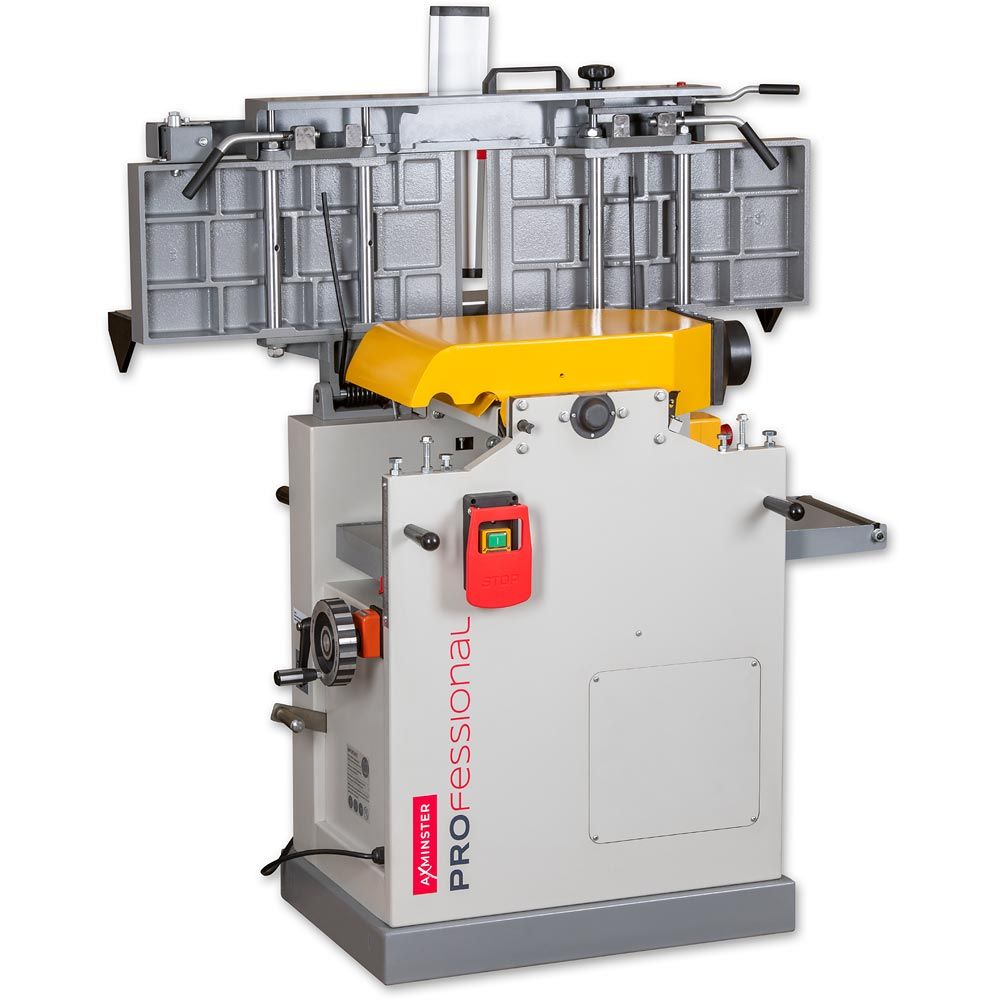
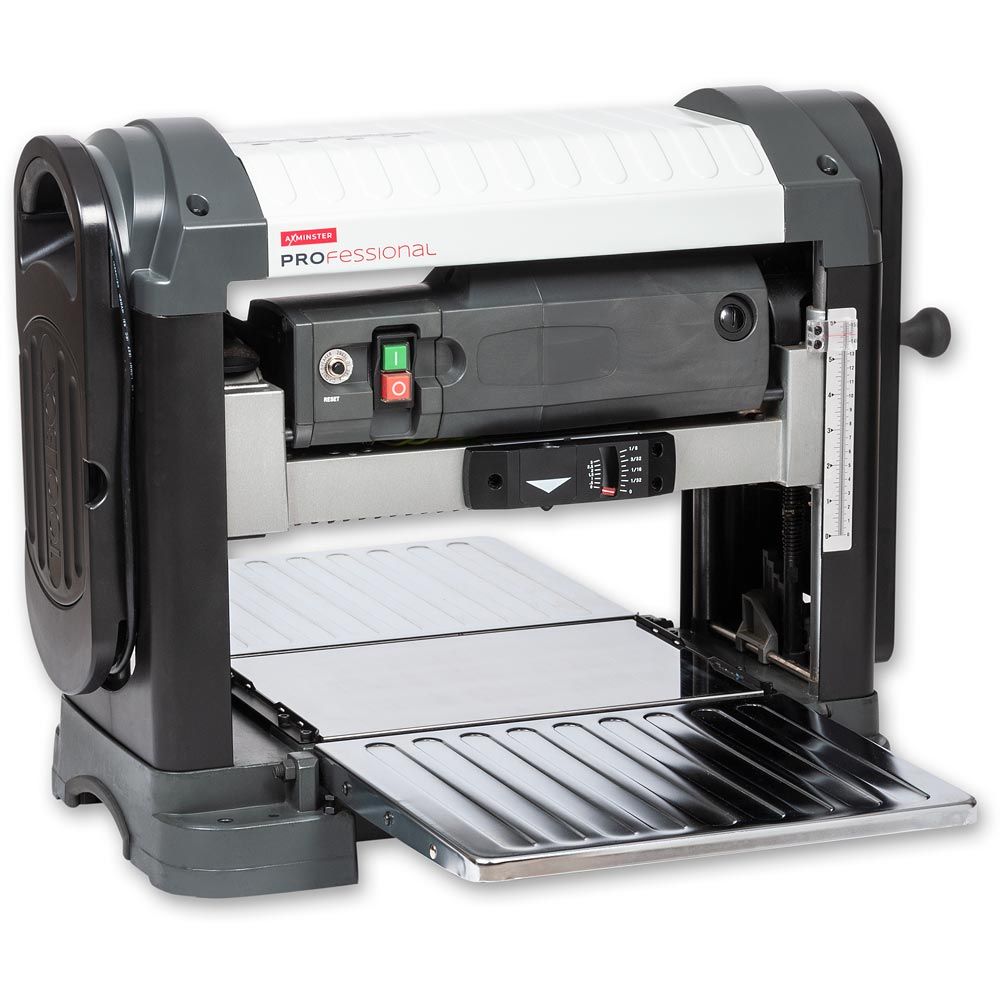
A bench top or stationary workshop machine used to flatten a board’s surface and reduce it to an exact, uniform thickness. It uses a rotating cutter head equipped with sharp blades to shave off tiny layers of wood as the board passes through.
My Workbench Note: First Encounter
Alongside the Band-Saw, the Planer / Thicknesser was another surprising machine I encountered when I first walked into the workshop. At first, I didn’t really see the purpose of that machine nor that it was 2 machines built into one – since I had a view that you purchase wood from the shop and use it right away. Didn’t realise the dynamics of wood trading in general, sizes of wood, adjusting to the needs of the project etc. When Marcus asked us to get some wood for the project, I just went ahead and purchased it without even realising that it needs to be planed and thinned down ! Seeing this machine take a rough piece of timber and transform it into a perfectly smooth, uniform board in a matter of seconds was pure magic. It quickly made me realize just how essential milling is before any joinery can even begin.
Quick Beginner Takeaways
- Surface vs. Thickness: It did take me a while to get these terms, process/technique and logic etched to my head. In UK/European terminology, a Planer flattens the first face (often called a Jointer in the US), while a Thicknesser makes the second face parallel and brings the board down to your precise target depth. This is how I think about it now:
- Planer == Jointer (flattens the first face) – it is critical to get a reference surface first against which other sides/surface can be adjusted.
- Thicknesser – makes the second face parallel to first
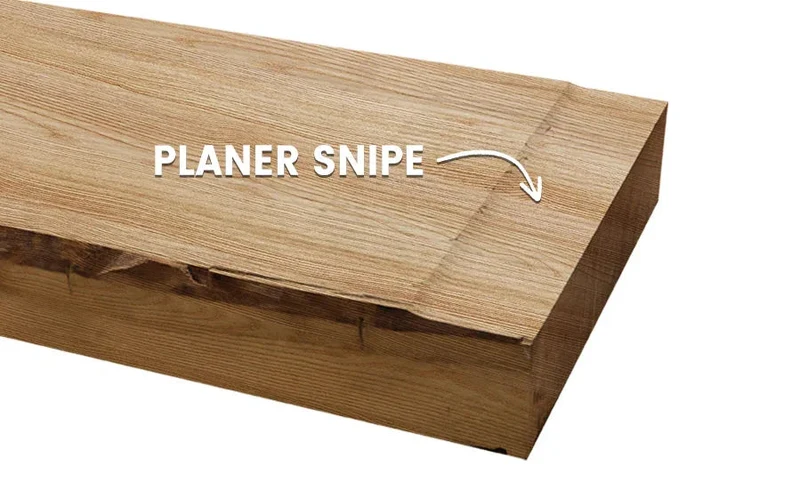
- Watch for Snipe: A subtle gouge (called snipe) can happen at the very front or tail end of a board if it isn’t supported evenly as it enters or exits the cutter rollers (see image below). Personally I didn’t face this much using a Planer/Thicknesser. I experienced it later when I used a powered hand-plane. I used to run into snipes regularly with that machine.
- Safety First: Always use push blocks, double-check that your wood is free of hidden nails/dirt, and wear good ear protection—this is easily one of the loudest tools in the shop!
Related Experience & Deep-Dives
- My Project Log: Read about when I first saw and used a Planer / Thicknesser in First major project – Dual Tone Spice-Box