Burr / Burl
Status : Bench Tested
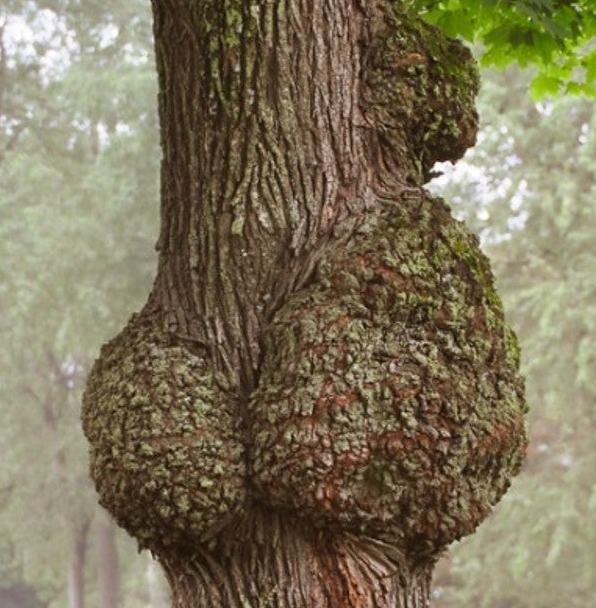
A burl (known as a burr in British English) is a rounded outgrowth on a tree trunk or branch where the grain has grown in a deformed, twisted pattern filled with tiny knots. It forms due to stress like an injury, virus, or fungal infection.
My Workbench Note: The Hidden Beauty of Burrs
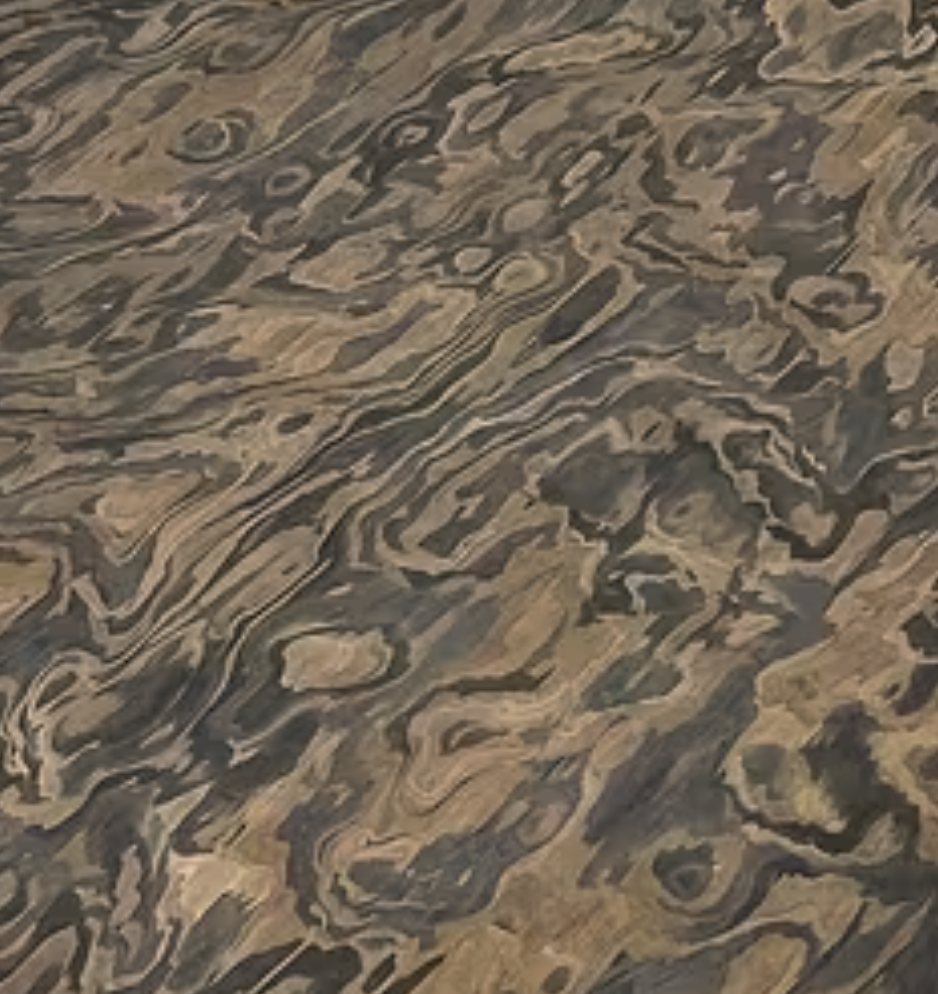
To an untrained eye, a burr looks like a gnarled, unsightly wart bulging off the side of a tree trunk. Inside, however, a woodworker sees pure gold. Burrs form when a tree suffers stress, disease, or injury, causing its growth rings to twist into chaotic, dense swirls instead of predictable vertical lines. While this wild grain makes burrs notoriously difficult to work with hand tools, it yields some of the most spectacular, highly figured timber on earth—making it a prized choice for high-end designer furniture, fine boxes, and heirloom inlay work.
Myy first real encounter with burr wood happened during my initial marquetry lessons. Browsing through various veneer leaves, my eye caught a sheet of veneer with an extraordinarily intricate, wild pattern that stood out completely from the straight-grained stock around it.
When I asked about its origins, I learned it was burr wood—a prized section of timber harvested from the chaotic, gnarled growths of a tree. The natural swirling clusters and deep eyelet details were so captivating that I knew immediately it had to become the focal feature of my marquetry piece. Working with it opened my eyes to how a natural anomaly in a tree can be transformed into the centerpiece of fine decorative woodwork.
Quick Beginner Takeaways
- Stress Creates Beauty: Burrs are abnormal, knotty growths caused by environmental stress or injury, trapping wild grain patterns inside a dense mass.
- Prized Over Plain Grain: What looks like a defect on the outside is actually highly valuable figured wood prized for luxury furniture, knife handles, and decorative boxes.
- Unpredictable Tool Behavior: Because burr grain swirls in every direction at once, standard planing techniques fail—it requires razor-sharp tools, light passes, or card scrapers to avoid severe tear-out.