Clamp / Cramp
Status : Bench Tested
Generally refers to smaller, handheld, or light-to-medium-duty holding tools. In woodworking, a clamp (or cramp) is an essential tool used to hold wood securely in place, whether applying steady, uniform pressure while glue cures or stabilising a board on the workbench for safe cutting, chiseling, and sanding. Available in various styles—from versatile F-clamps and G-clamps to heavy-duty sash clamps—proper clamping ensures joints dry tight and seamless without shifting, making it a critical component of strong, accurate joinery. Cramp is a term used mostly in Commonwealth whereas Clamp is used globally and US.
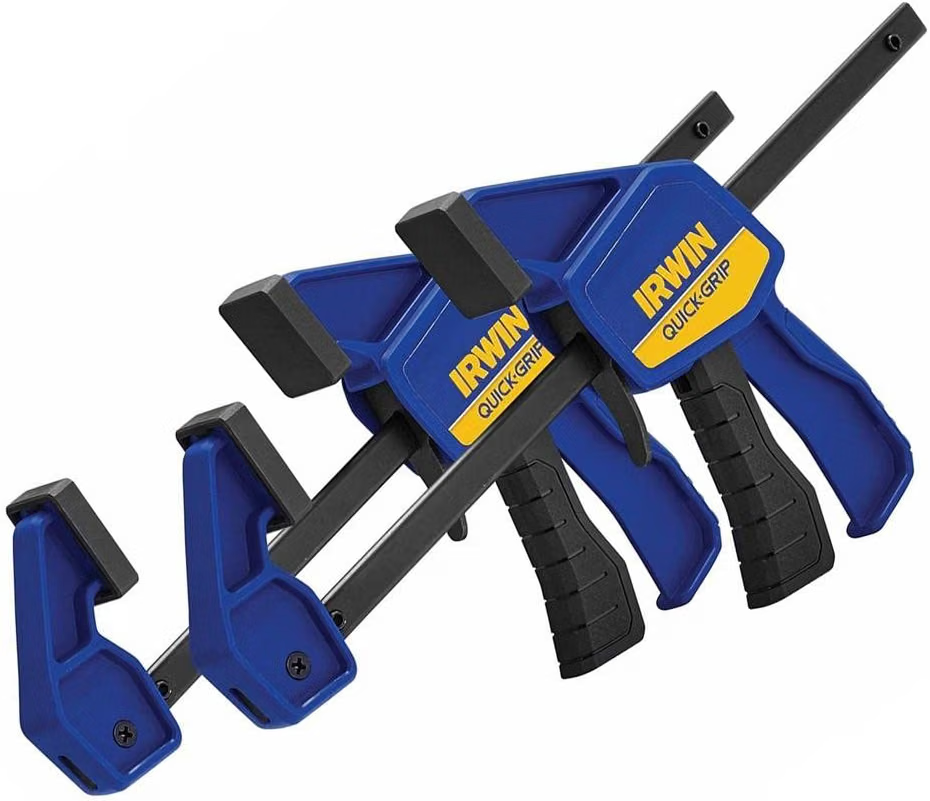
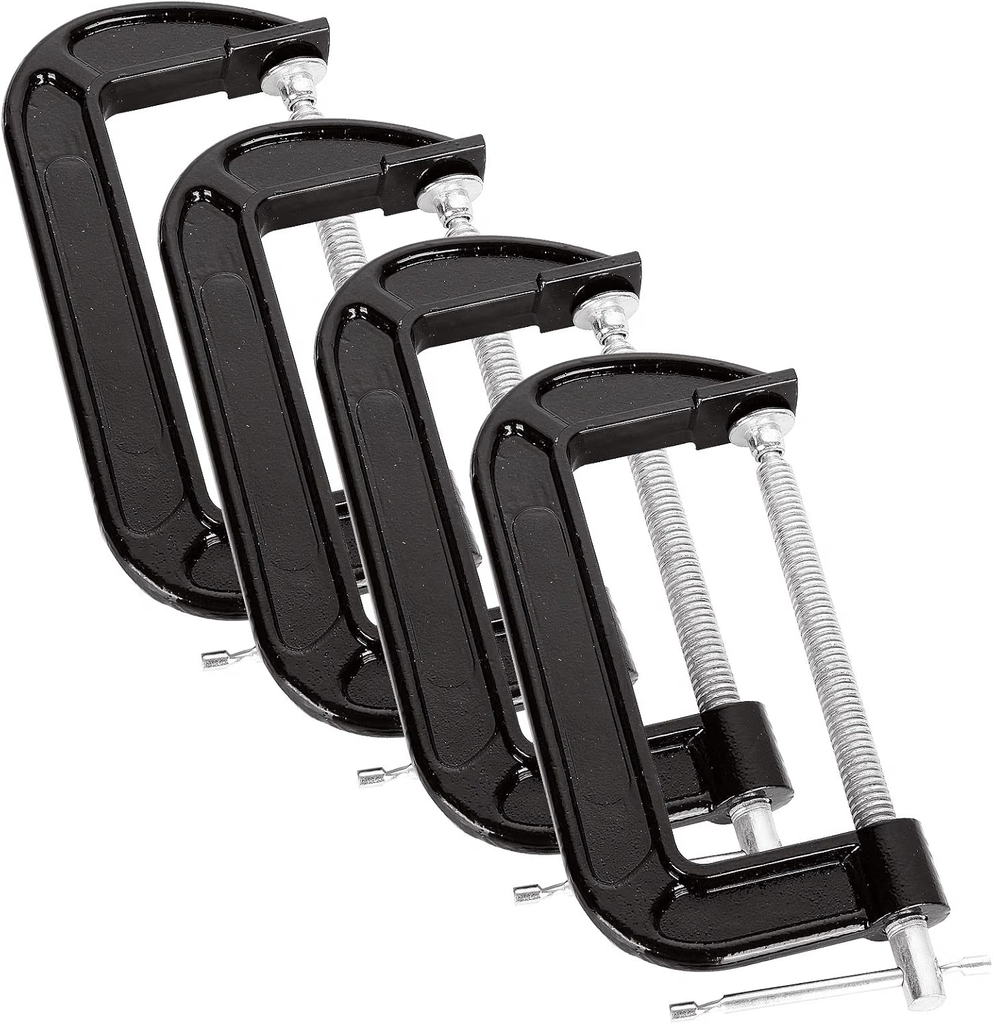
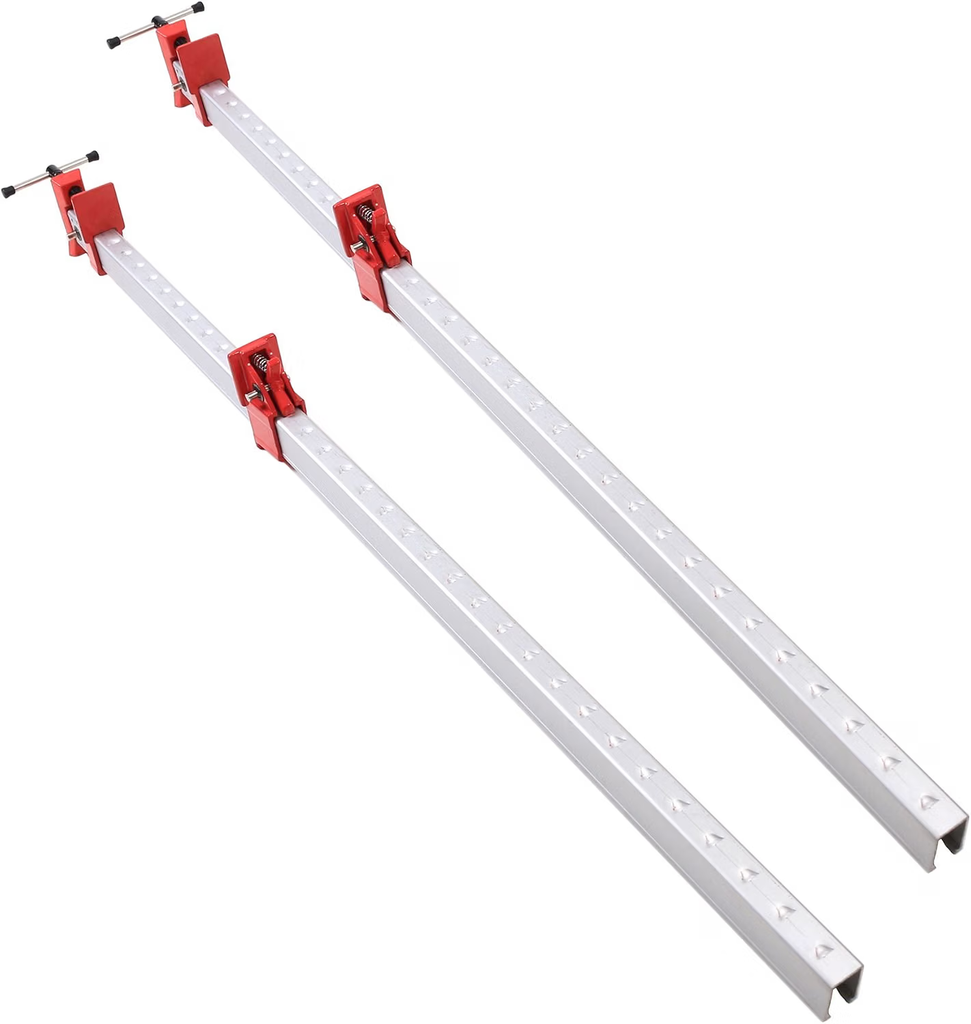
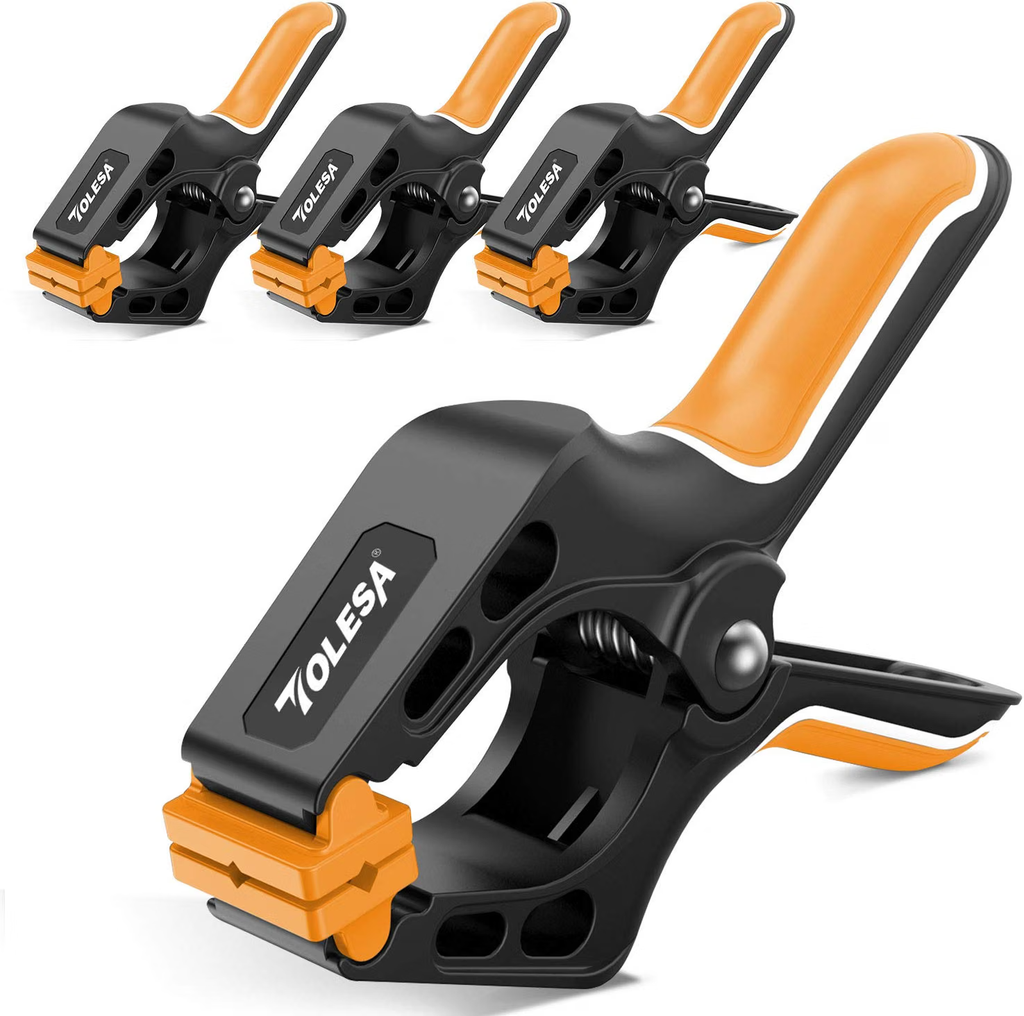
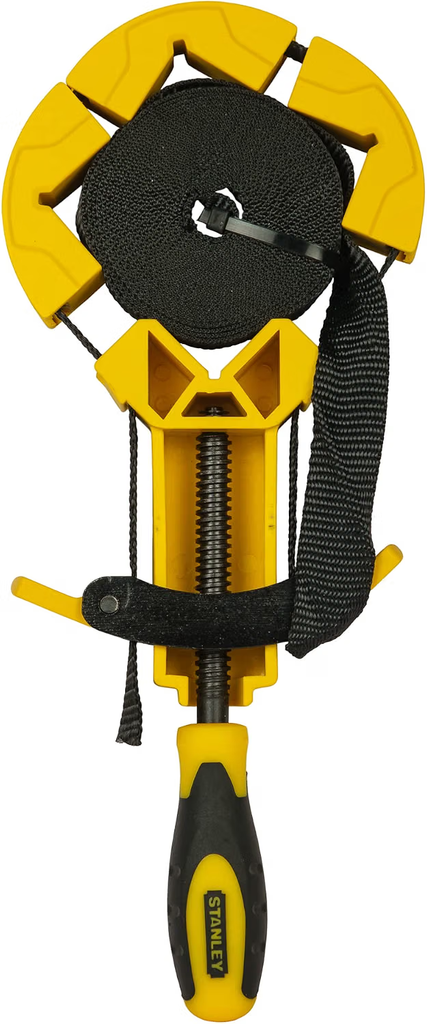
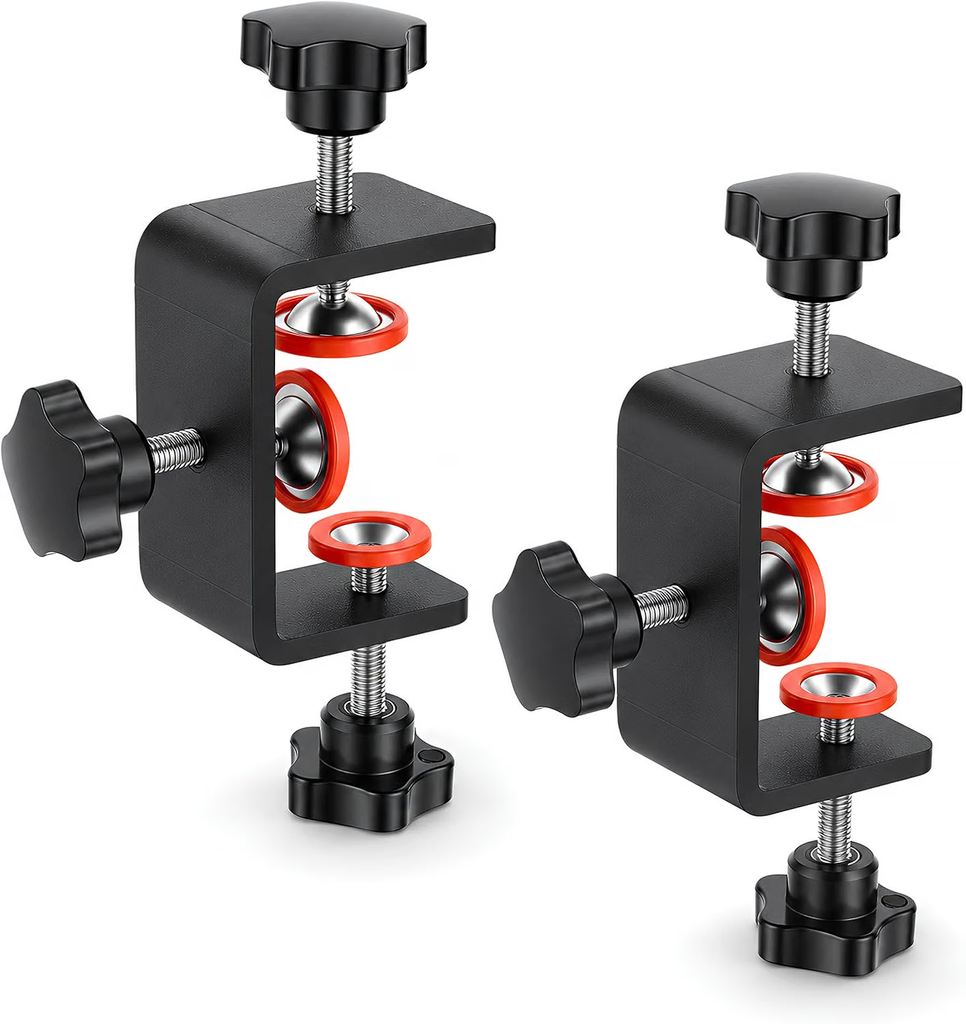
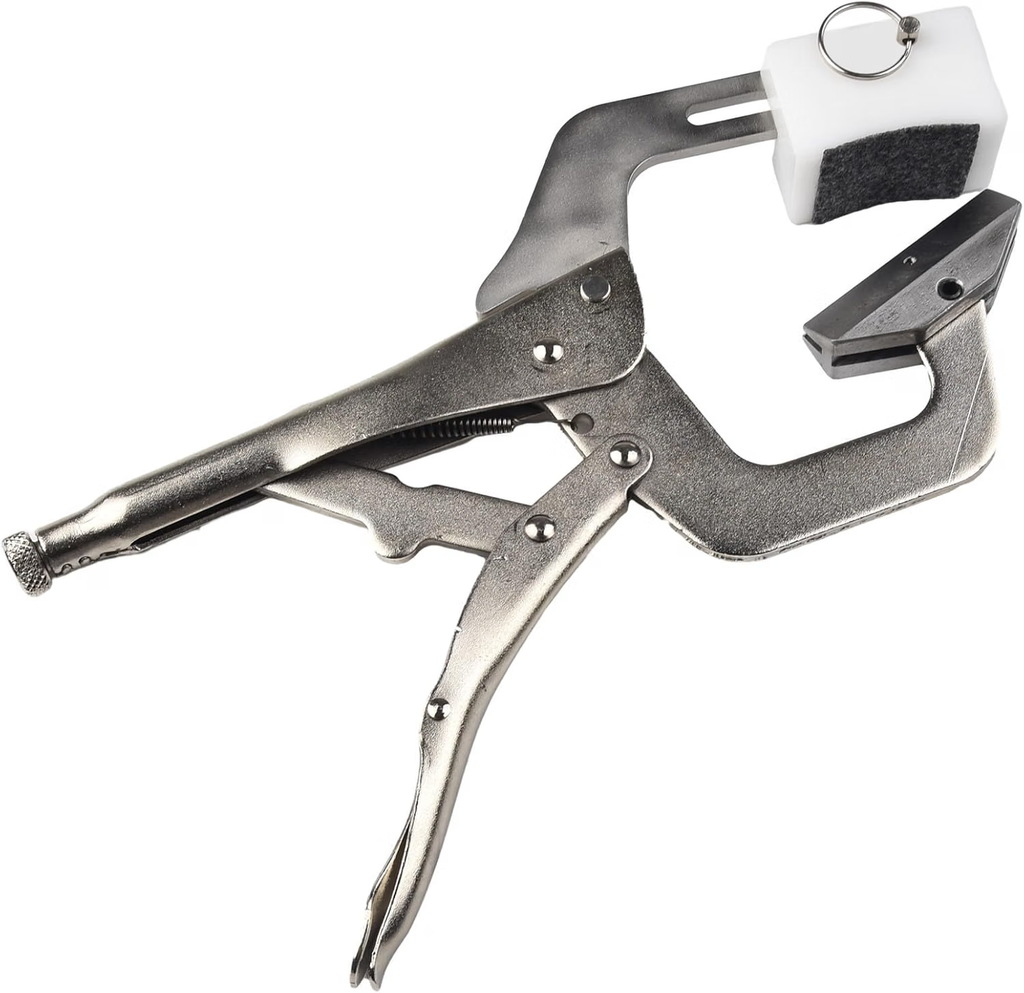
My Workbench Notes: The Infinite Universe of Clamps
When I first started woodworking, I genuinely believed clamping was simple. You buy a couple of clamps, squeeze your wood together, and you’re done.
For my very first project, I only used two types of clamps. At the time, I didn’t even know what they were called—only later did I learn they were sash clamps and G-clamps. In my mind, that was it. Case closed. Clamp inventory complete.
Then I started watching woodworking YouTube.
Suddenly, I was introduced to an overwhelming, almost bizarre variety of clamps. As I took on more complex projects, the sheer necessity for different specialized tools became obvious. Two clamps simply don’t cut it when you run into unique joinery challenges. I quickly realized clamps come in every imaginable shape, size, and material:
- By Function: Small spring clamps, massive parallel jaw clamps, edge clamps, corner/frame clamps, strap clamps, and hand-screws.
- By Bar Material: Heavy iron pipe, lightweight aluminum extrusions, steel bars, and composite materials.
- By Handle & Mechanism: Traditional wooden handles, cast-metal T-bars, quick-release plastic triggers, and ratchets.
It’s easy for a beginner to look at a well-stocked workshop wall and feel like they need to spend a fortune buying dozens of clamps all at once.
Quick Beginner Takeaways
- Don’t Get Carried Away: Resist the urge to buy every clamp style you see online before you actually need it.
- Build Portfolio by Project: Purchase new clamps based strictly on the demands of your next project, building your collection naturally over time.
- Match Tool to Task: A heavy sash clamp will warp delicate small work, while a small G-clamp won’t hold a tabletop flat—size and bar rigidity matter.
- Focus on Quality over Quantity: A few stiff, reliable clamps that apply even pressure are far better than a dozen cheap ones that flex and slip under load.