Facing a real need to re-adjust and clear space in my garage, I recently had to face a reality check. Downsizing my active floor/garage space to a compact 8×8 nook meant my home setup would be strictly limited to a small bench for hand carving, layout, and fine detail work. For heavy milling, stock preparation, and stationary machinery, I urgently needed access to an external shop.
My initial search focused on professional woodworking studios that rent out bench space and machine time by the hour. While these shops were exceptionally well-equipped, the hourly rates made it clear very quickly that this wasn’t a sustainable option for a long-term maker workflow.
That realization led me to discover the UK Men’s Sheds Association, a network of community-run spaces designed for making, repairing, and sharing skills. To my surprise, there were several locations just a few miles from my front door. I set out to scout three nearby sheds—Spelthorne, Weybridge, and West Byfleet—to evaluate their equipment, atmosphere, and operational models.
1. Spelthorne Men’s Shed: A Full Community Hub
Spelthorne felt immediately welcoming with a strong community presence. Beyond the social gathering at the coffee table, the shop floor was packed with serious machinery.
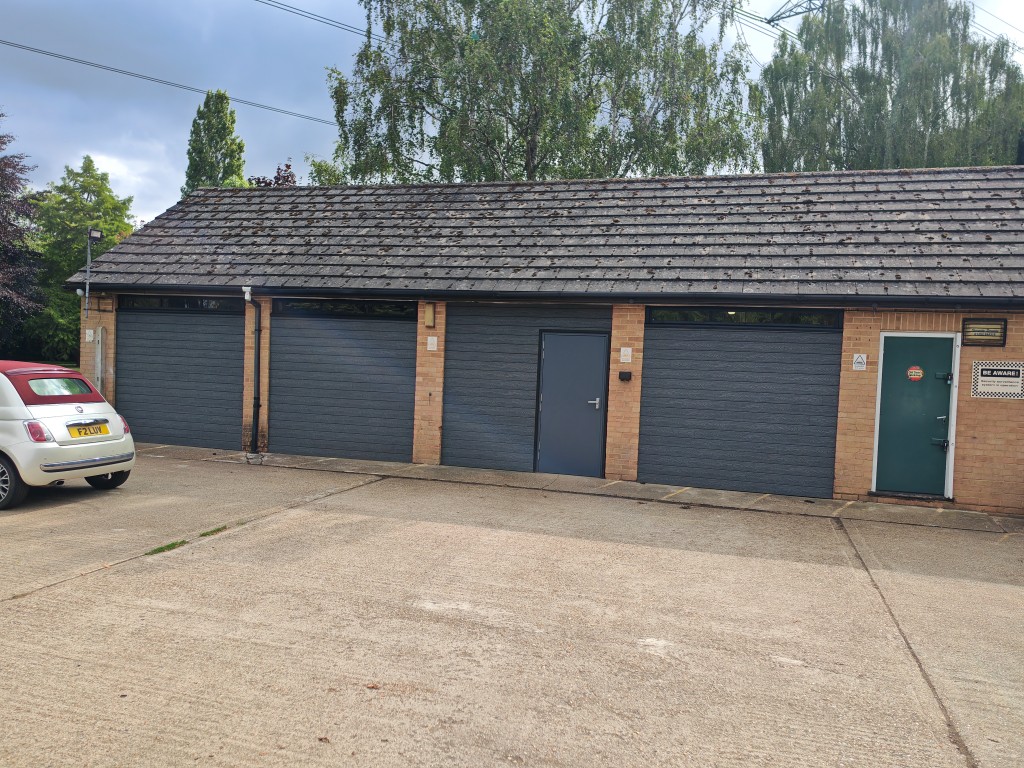
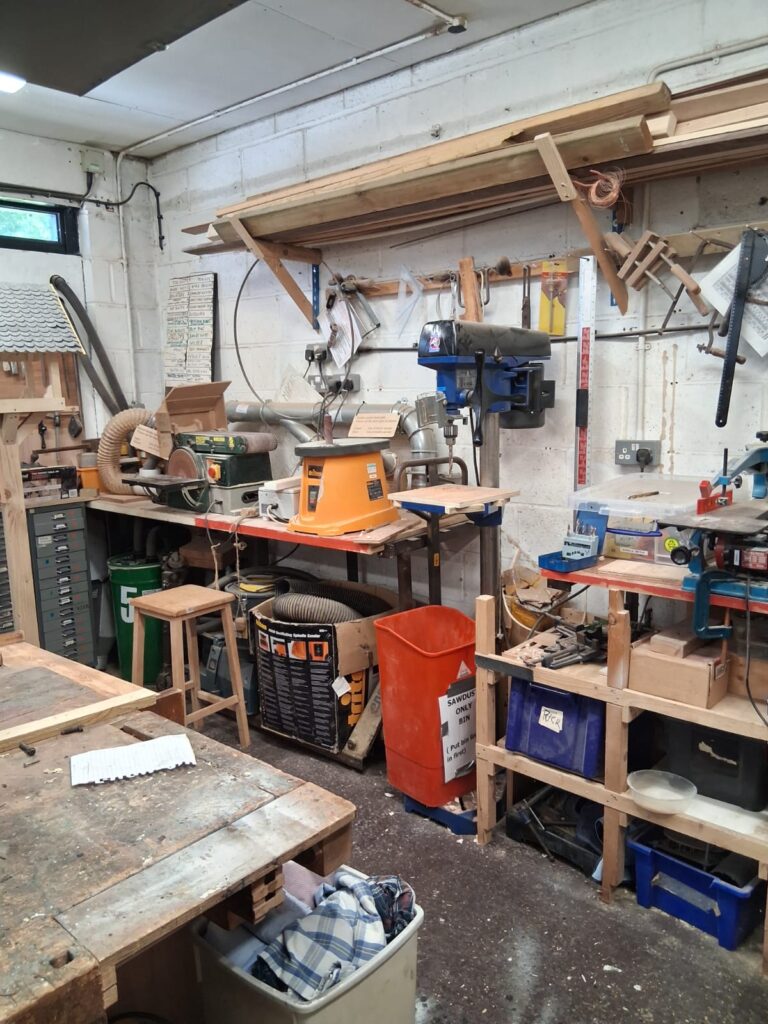
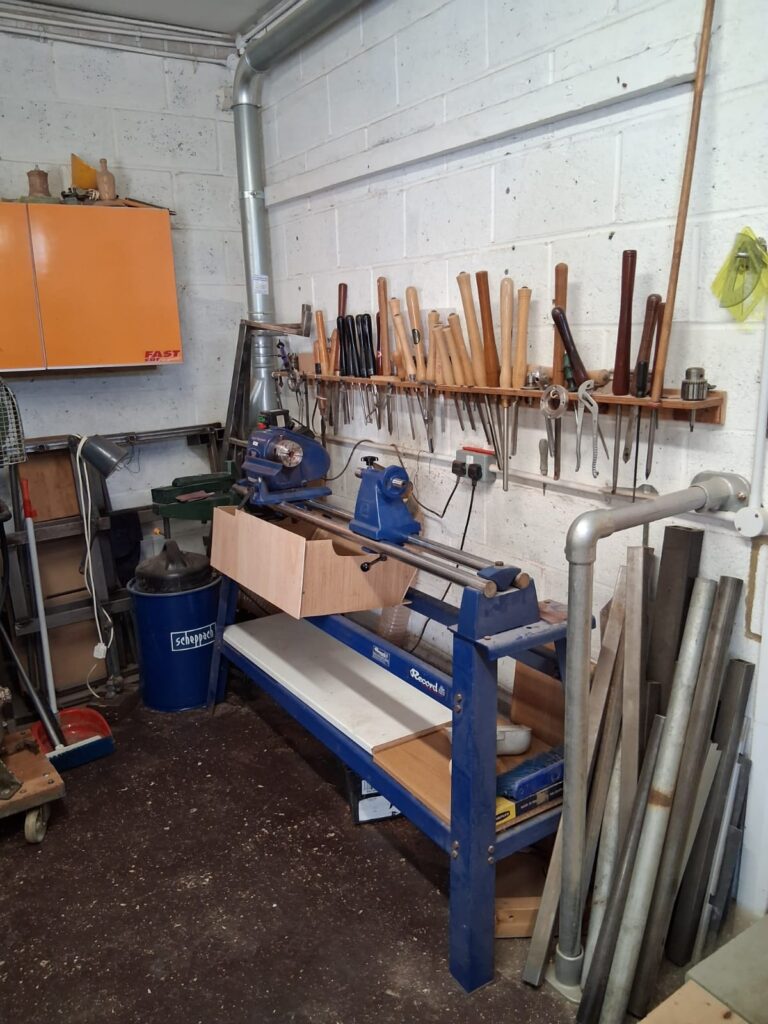
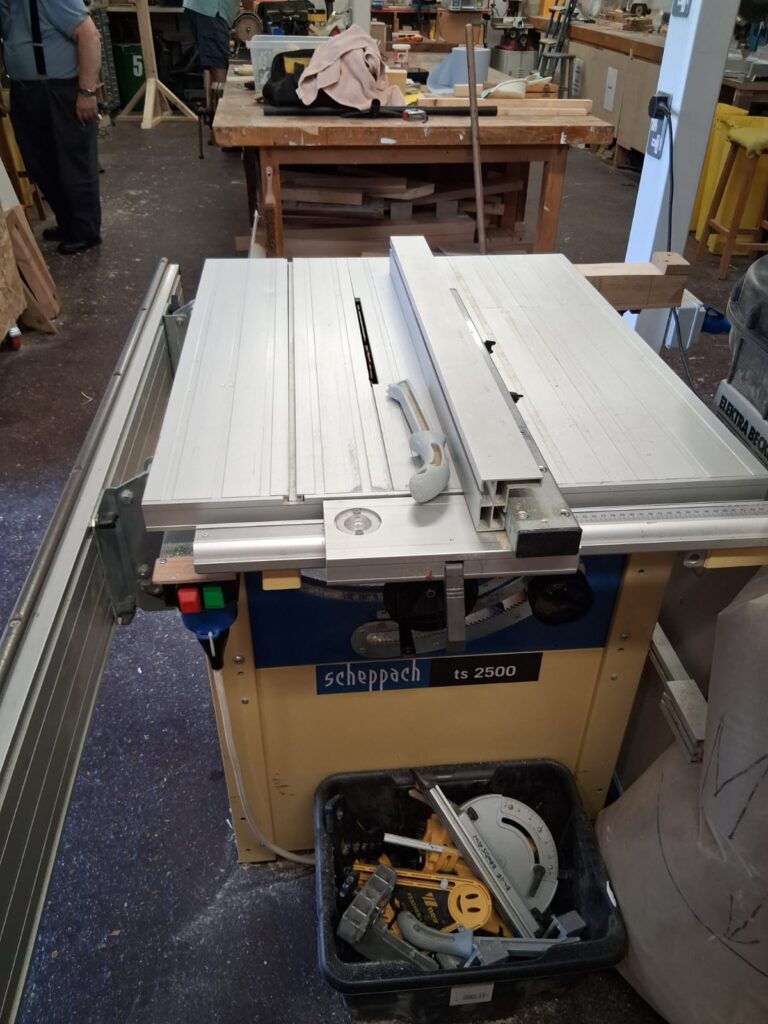
Walking through the workshop interior, I found a complete spread of bench power tools—drill presses, belt sanders, oscillating spindle sanders, planer / thicknesser and scroll saws—alongside heavy-duty machinery like a Scheppach table saw and dedicated wood turning lathes.
Spelthorne even stood out by expanding beyond woodworking into a dedicated metalworking section, making it an incredible resource for hybrid projects.
2. Weybridge Men’s Shed: The Community Outpost
Weybridge operates on an impressive free community model. Nestled in a garden setting, the site features timber log-cabin workshop buildings centred around a sheltered outdoor workspace.
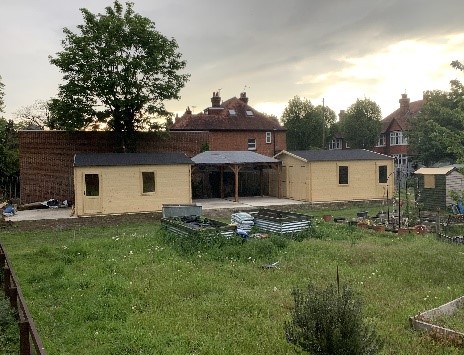
It offers a peaceful, highly accessible space well-suited for general woodworking tasks and community repairs without the burden of membership fees.
3. West Byfleet Men’s Shed: Clean, Modern & Saturday-Ready
West Byfleet immediately impressed me with its modern timber cabin setup and clean, bright interior layout.
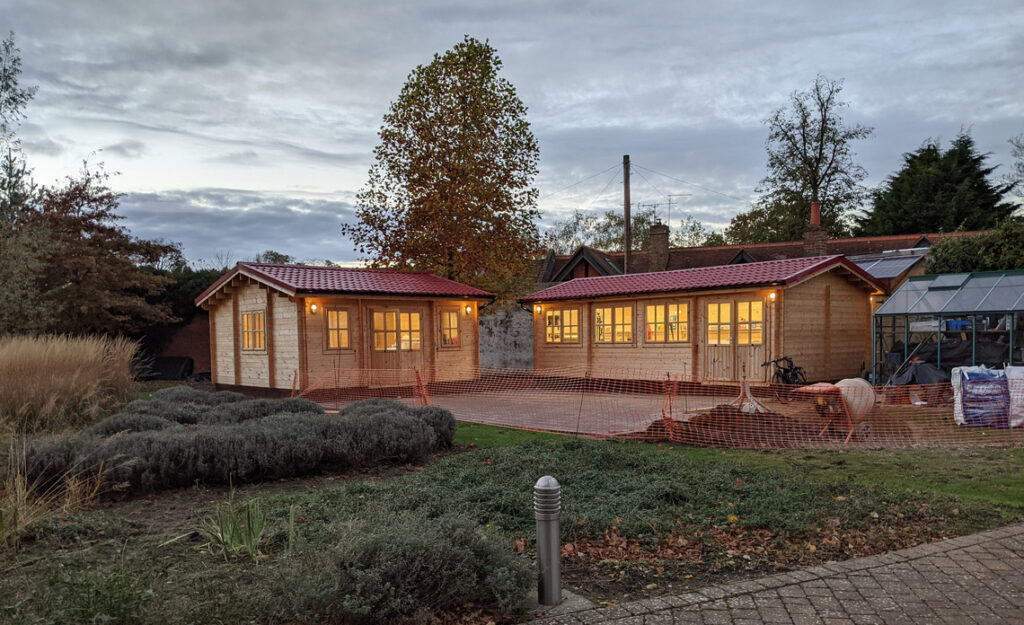
Inside, the workshop is impeccably organized with dust extraction routed to every station. It houses heavy machinery built for serious stock prep—including an Axminster Trade planar/jointer, bandsaw, miter saw, and an MFT-style assembly bench.
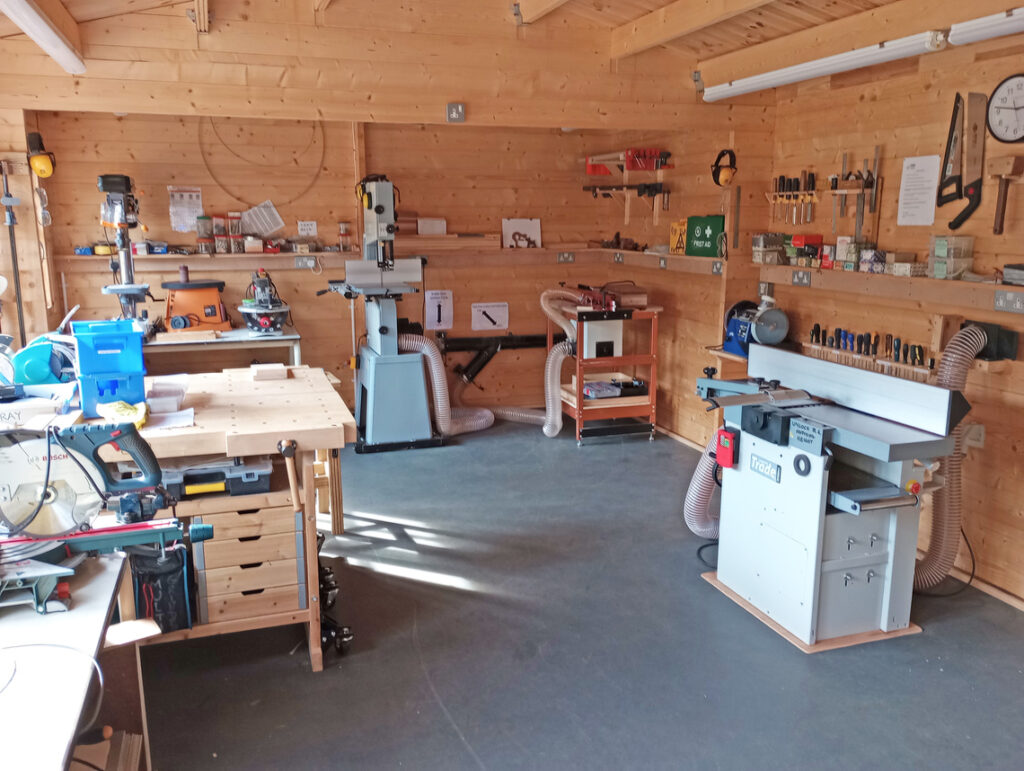
While slightly further from home, West Byfleet proved to be the most practical candidate for my routine simply because it is the only shed (of the 3) operating on Saturdays—a crucial factor for fitting shop time around a busy week.
The Verdict: The Hybrid Model
All three locations offered far better machinery and community spirit than I could have anticipated. For any maker trying to balance shop access with a busy schedule, opening hours and cost predictability quickly become the deciding factors.
While scaling back my garage to an 8×8 footprint is a shift, discovering the Men’s Shed network unlocked a completely viable hybrid workflow: keeping dreaming, design, fine detail work, carving etc at home while relying on affordable community infrastructure for heavy milling.
Looking Ahead:
Only time will tell how this “shedding” journey unfolds for me personally. I’ll be testing out this hybrid workflow over the coming weeks/months to see how balancing an small home bench with a community facility plays out in practice. Expect a follow-up post in a few months where I’ll break down the real-world pros, cons, and honest bench realities of making the shift!
Lessons Learnt
- Hourly Shop Rentals Aren’t Sustainable: Especially for beginners. Commercial bench-time fees quickly become too costly for routine stock prep; community models offer a far more viable long-term alternative.
- Opening Hours Beat Proximity: West Byfleet’s Saturday access made it the clear winner, proving that operational schedules matter more than distance when balancing bench time with a full-time routine. However a key point to note is that many of the sheds do not operate over weekends.
- The “Hybrid Workshop” Works: Splitting tasks—keeping quiet carving, layout, and fine hand-tool work in my 8×8 garage nook while outsourcing heavy milling and dust-heavy power tools to the shed—maximises a small footprint without sacrificing capability.
- Shared Facilities Expand Tool Access: Tapping into community infrastructure gives access to heavy planers, lathes, and even metalworking gear without the burden of buying or housing them yourself.