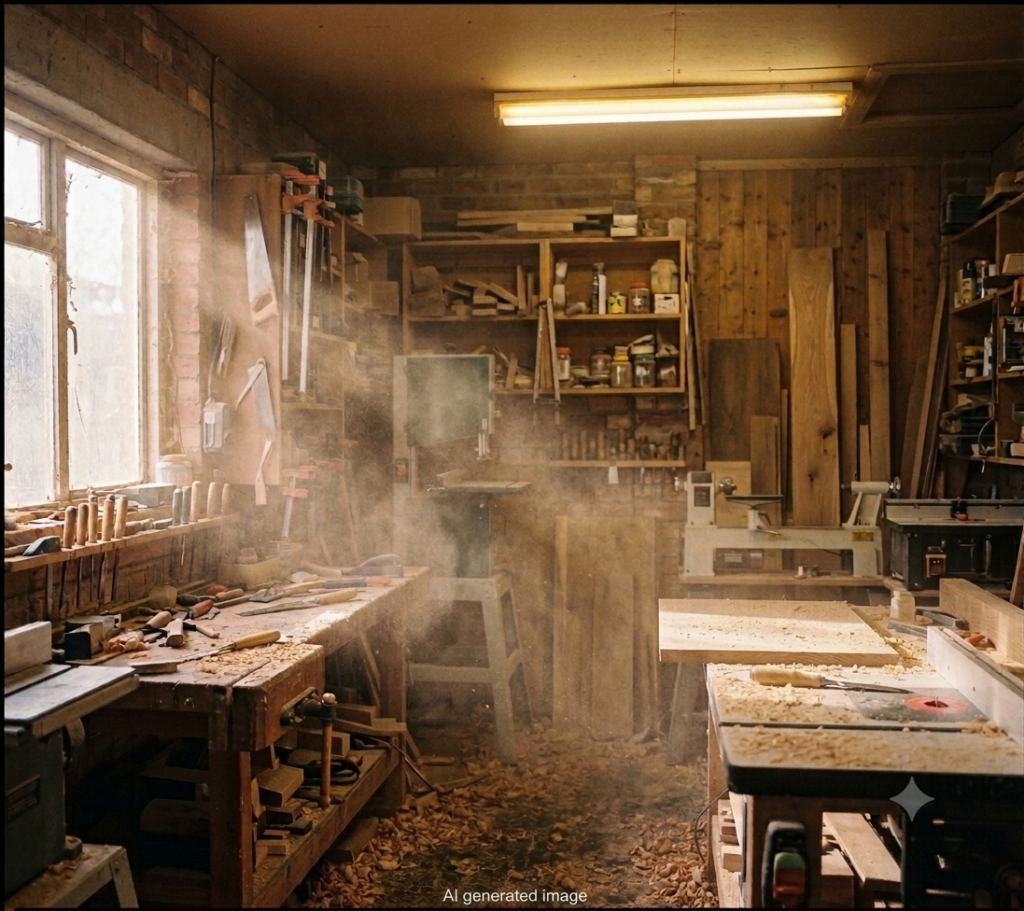
If there’s one silent enemy every garage woodworker eventually faces, it’s dust.
For the longest time, I tried to get by without a proper extraction setup in my garage. My go-to solution? Borrowing the household VAX vacuum cleaner and pretending that was enough.
It wasn’t.
The MDF Breaking Point
The true tipping point came during my first veneer build—a record table project where I worked heavily with MDF.
Anyone who has ever routed or sanded MDF knows it doesn’t just make sawdust; it creates a fine, powdery, cloud of floating particles that hangs in the air forever. After a session of routing and sanding, the suspended dust in the garage was so thick that breathing started becoming an actual challenge. That was my wake-up call. Breathing in fine timber and MDF particles simply isn’t an option if I want to keep enjoying this hobby for years to come.
The Mask Dilemma & Working Outdoors
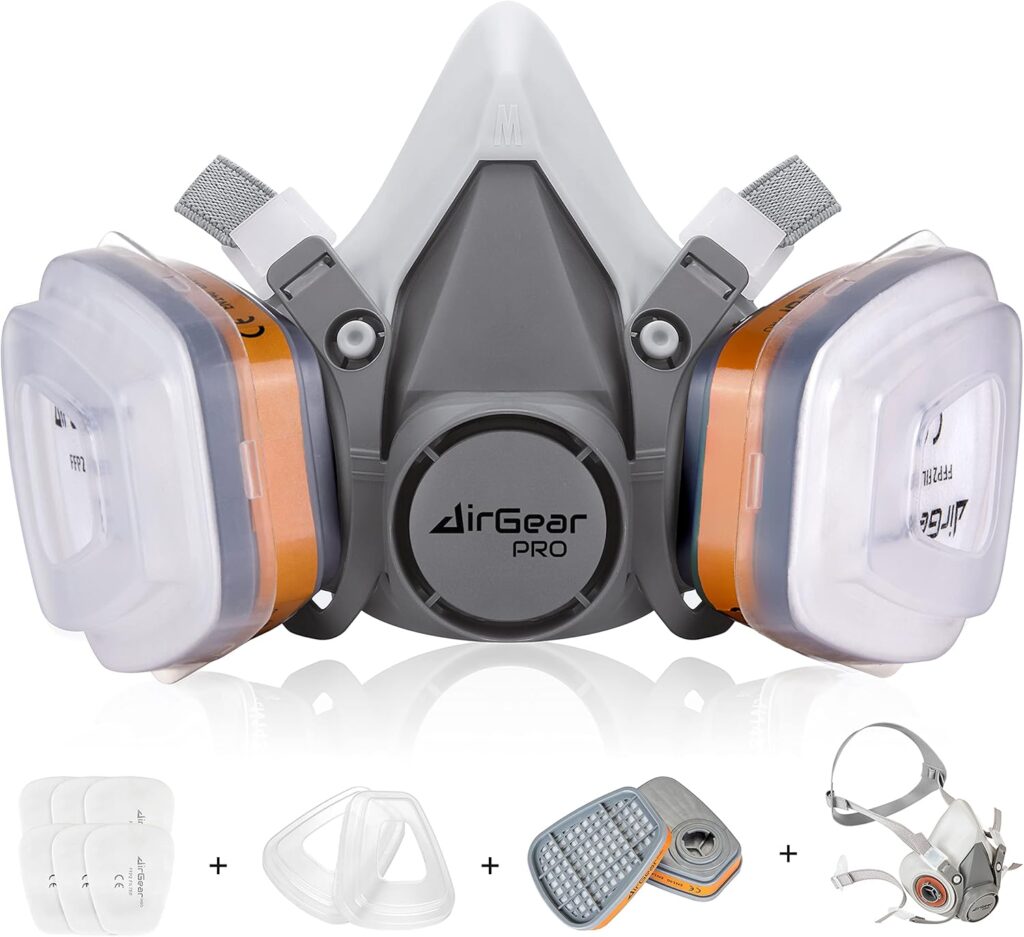
The AirGear Pro respirator mask—essential protection, but far from comfortable for long sessions.
I did purchase proper half-mask respirators, but let’s be honest: wearing a heavy mask for extended stretches is pretty uncomfortable. You find yourself having to take constant breaks just to catch your breath, wipe away sweat, and let your face rest. Plus, when you’re producing heavy clouds of dust, those filters get clogged up surprisingly fast!
If you have the luxury and space to take dust-heavy tasks like routing or sanding outside into the open air, that’s honestly the best option. Unfortunately, I don’t have that luxury in my setup, which meant finding a way to tackle the problem directly at the source inside the garage.
The Solution: Upgrading to a Dedicated Extractor
While a fully plumbed, industrial ducted extraction system is still a dream for the future, I needed an immediate, practical upgrade.
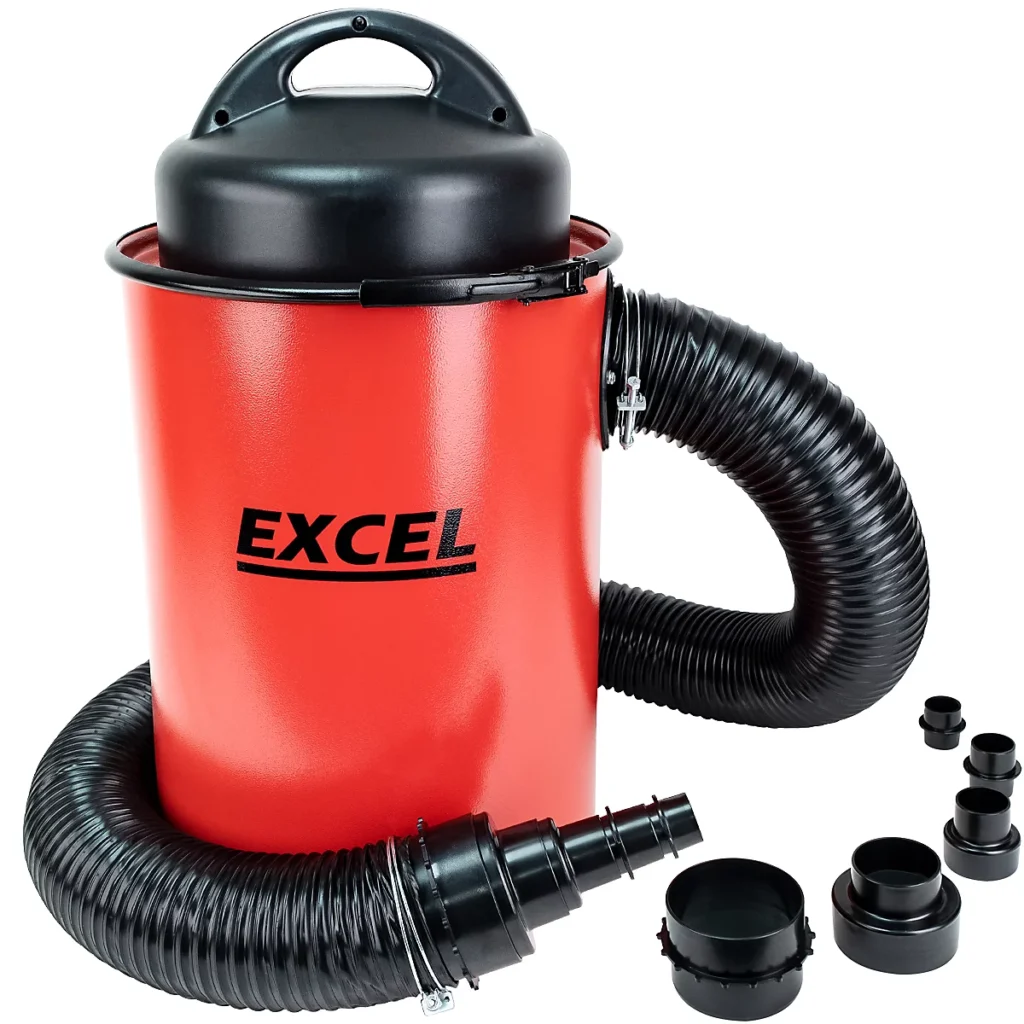
Enter the Excel Dust Collector.
The game-changer: My Excel drum dust collector with its wide hose and adaptor fittings.
While it might not completely eliminate 100% of airborne micro-particles like a £2,000 professional setup, adding this dedicated unit has been a night-and-day difference in the workshop:
Post-Work Cleanup: It has plenty of suction power to clear bench tops and floors in a fraction of the time my domestic vacuum used to take (without clogging filters every 5 minutes!).
Targeted Extraction: During high-dust tasks like routing and sanding, I position the wide hose nozzle right next to the work area. It captures a huge percentage of the waste before it ever gets a chance to float into the air.
Lessons Learnt
If you’re operating out of a small garage or shed without proper extraction, take it from me:
Ditch the Household Vacuum: Domestic vacuums aren’t designed for fine wood dust—they blow micro-particles right back into the room and fry their motors quickly.
MDF Requires Respect: Always wear a good P3/N95 respirator mask when working with manufactured boards, even if you have an extractor running.
Extraction Over Inspiration: Upgrading your air quality isn’t as flashy as buying a new fancy hand tool, but it’s easily the best investment you can make for your health and comfort in the shop.
If you’re on the fence about getting a drum extractor for your small workshop—highly, highly recommended! If you have the spare money, then go with a proper extraction unit – do not compromise your lungs !