Every woodworker knows the feeling. You are cruising along, a project is going smoothly, and a tiny voice in your head whispers: “You know what would make this basic project look truly magnificent? Complex veneering and gold leafing!”
Spoiler alert: That voice is a trap.
In my defense, I actually had a responsible plan. I was scheduled to take a proper veneering course on September 5th and 6th, and the original idea was to leave this box sitting safely in raw timber until I learned the correct techniques from an expert. But then the course got canceled at the last minute. Left with an idle weekend, a finished base box, and an overabundance of unwarranted confidence, I thought, “How hard can it really be?” and decided to go ahead on my own anyway.
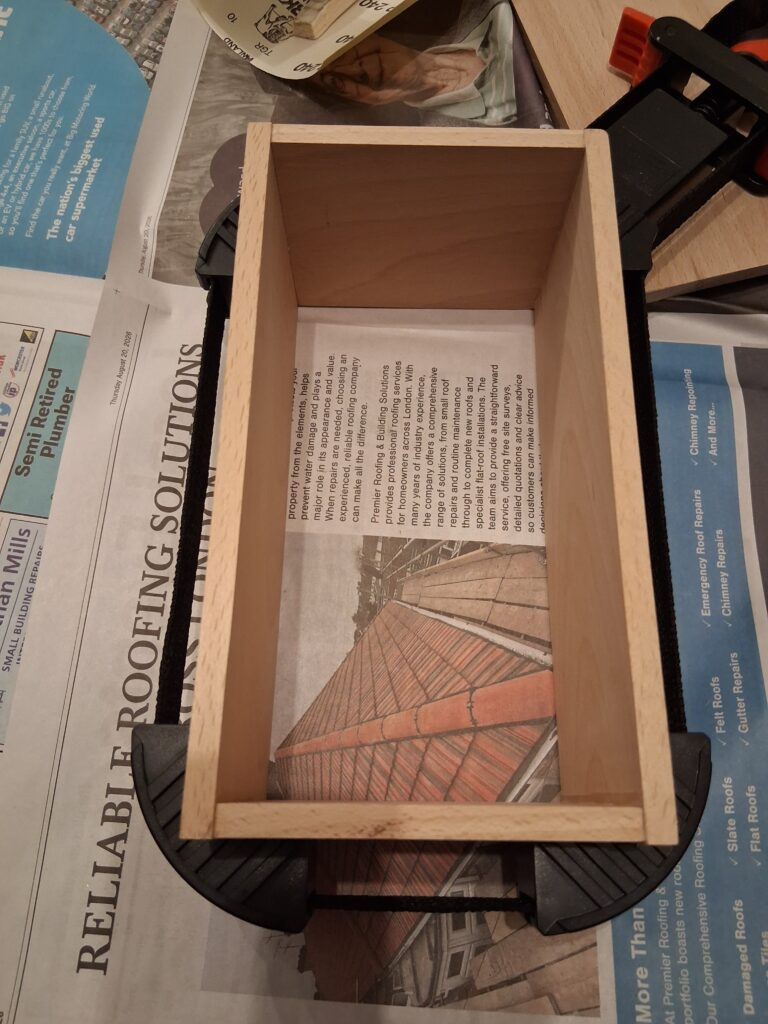
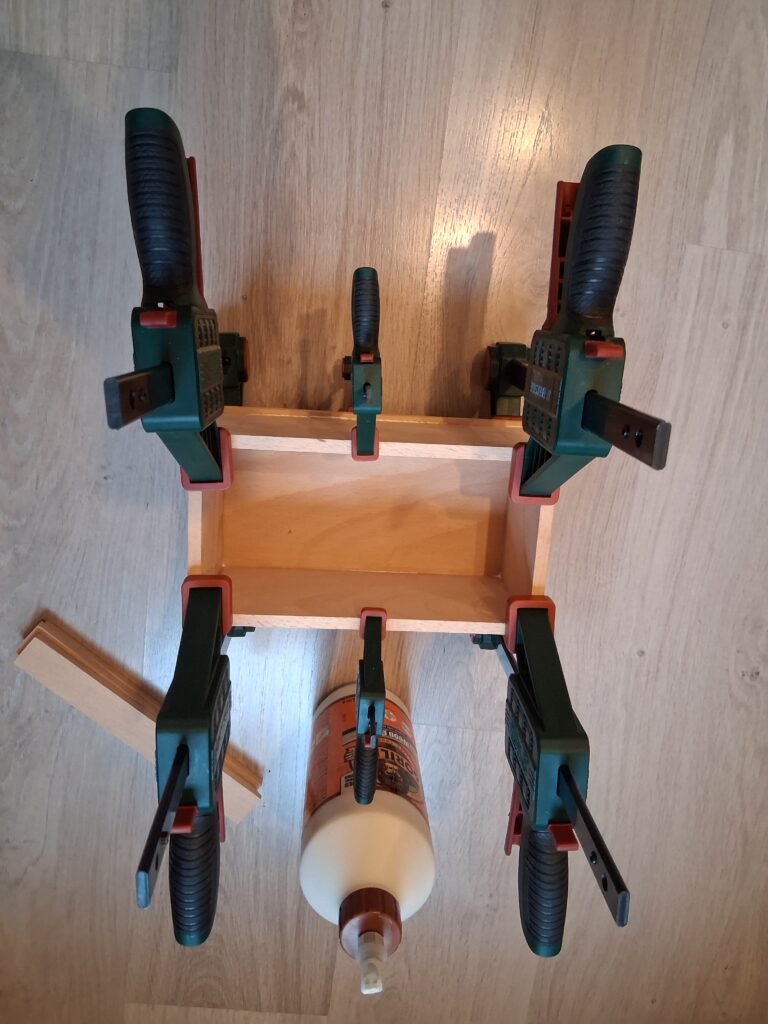
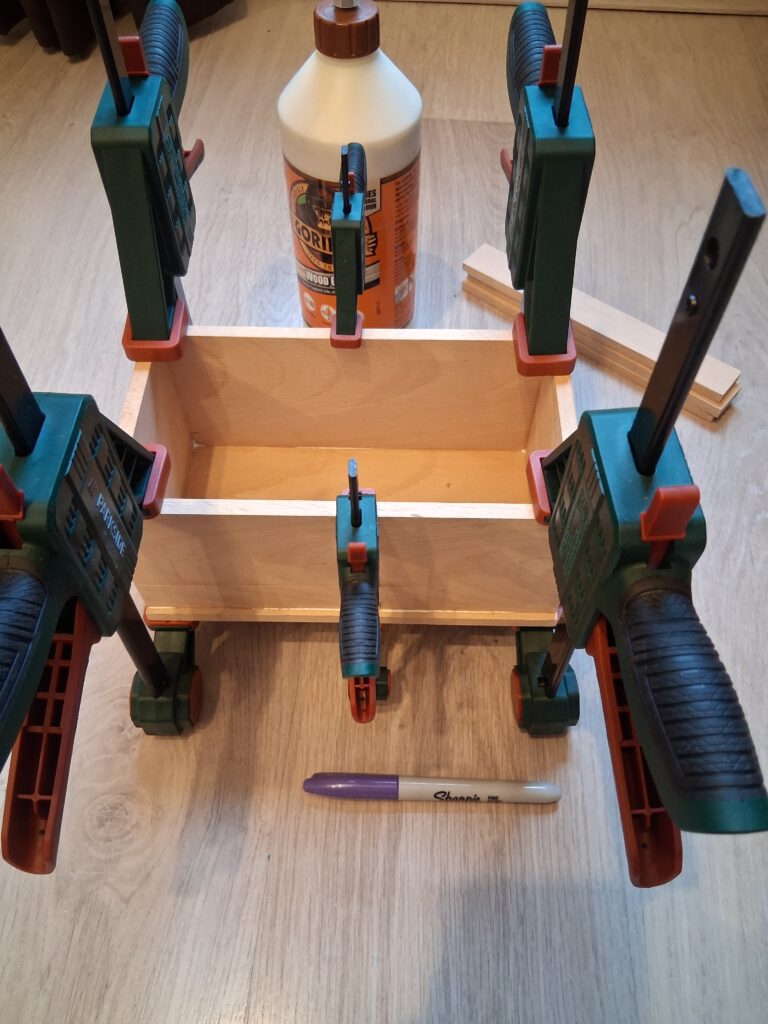
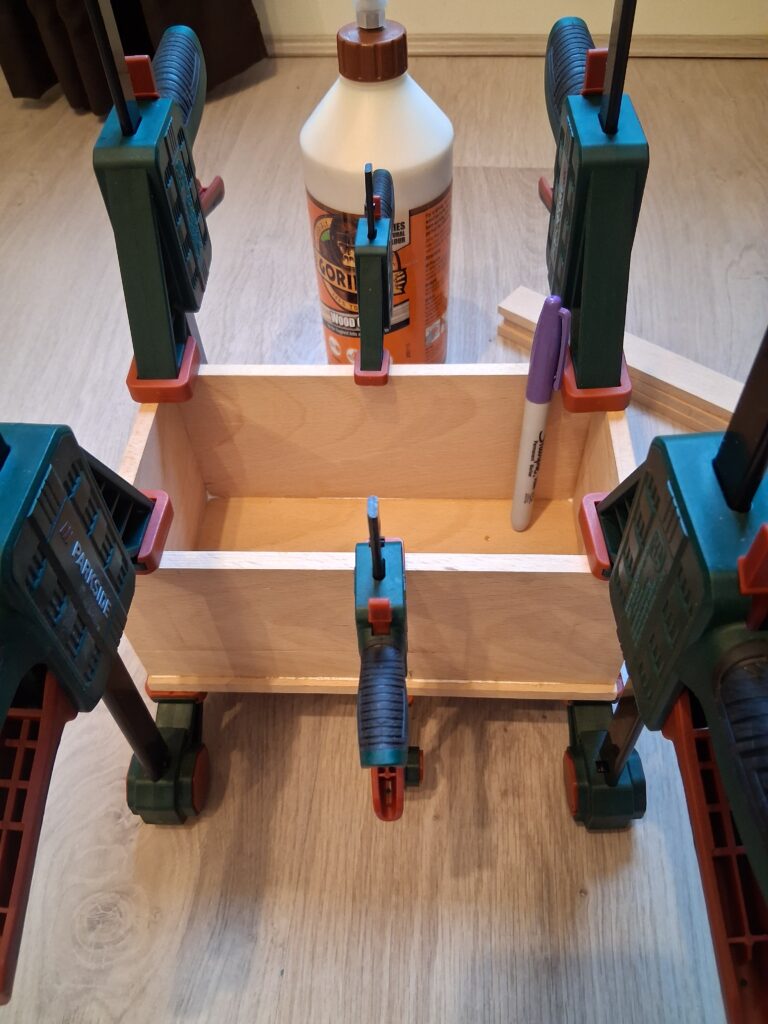
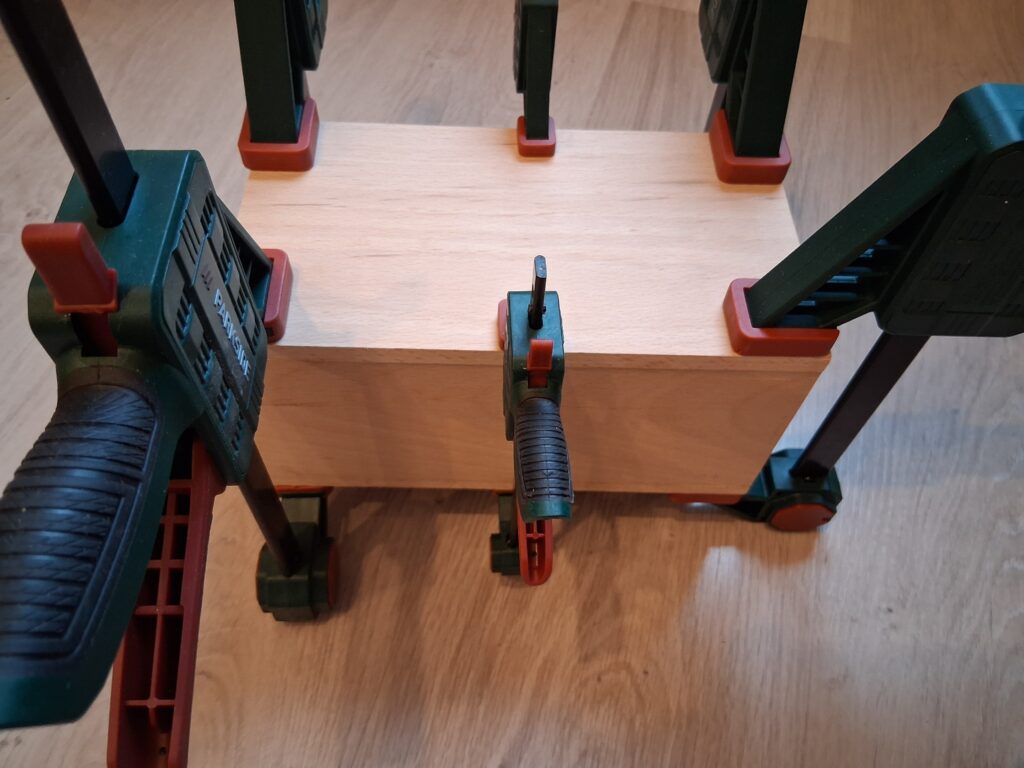
It all started innocently enough. The beech base box itself came out absolutely fine. The joinery was clean, the clamps did their job, and the raw wood looked perfectly respectable. I really should have left it at that, given it a coat of finish, and called it a day.
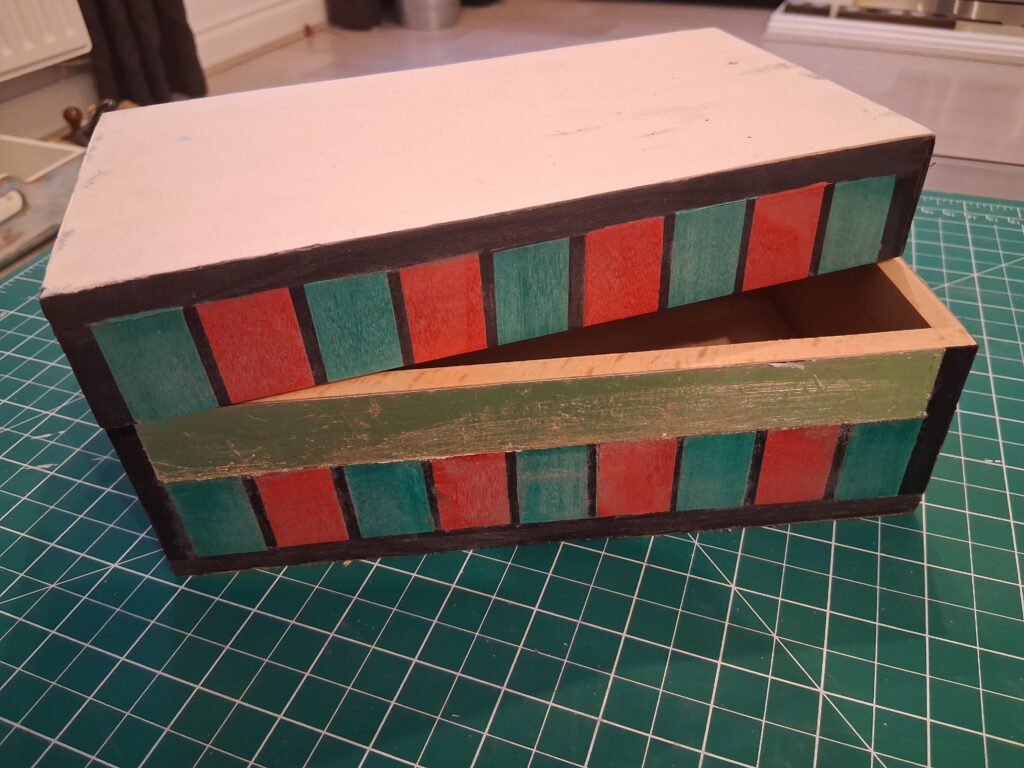
Instead, armed with zero formal training/experience and a bit of coloured veneer offcuts, I dove straight into the deep end. I decided to dress up the sides with a pattern of black, green, and red veneer, topped off with a black walnut veneer stripe (to hold the gilded gold accent) down the middle and the top.
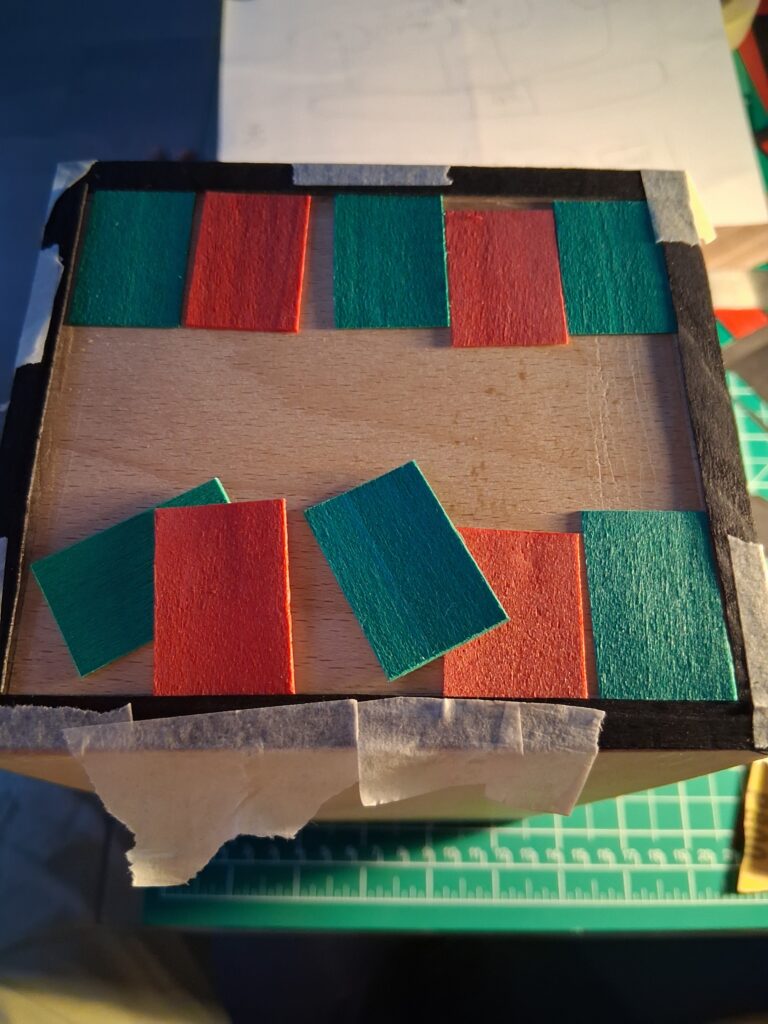
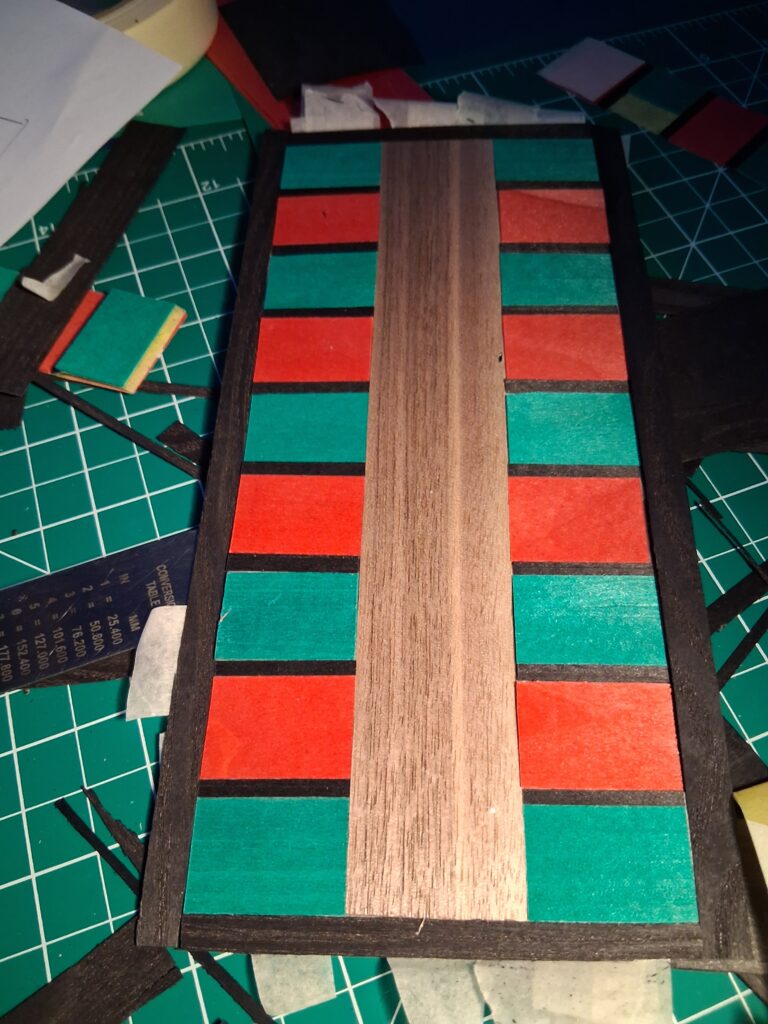
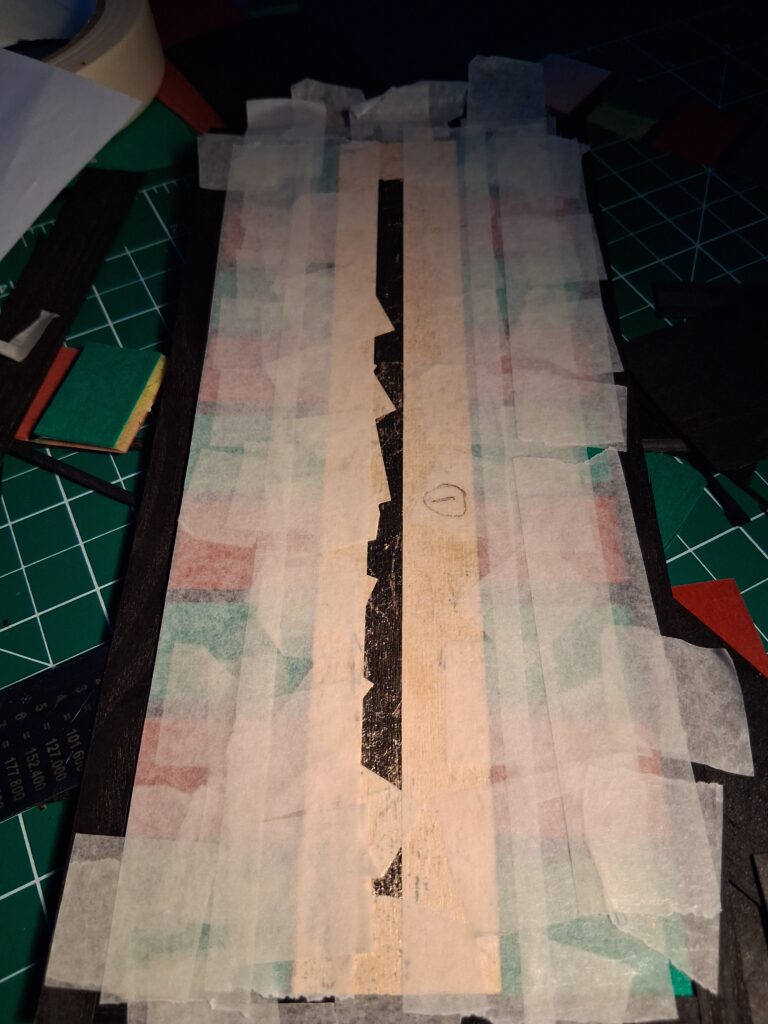
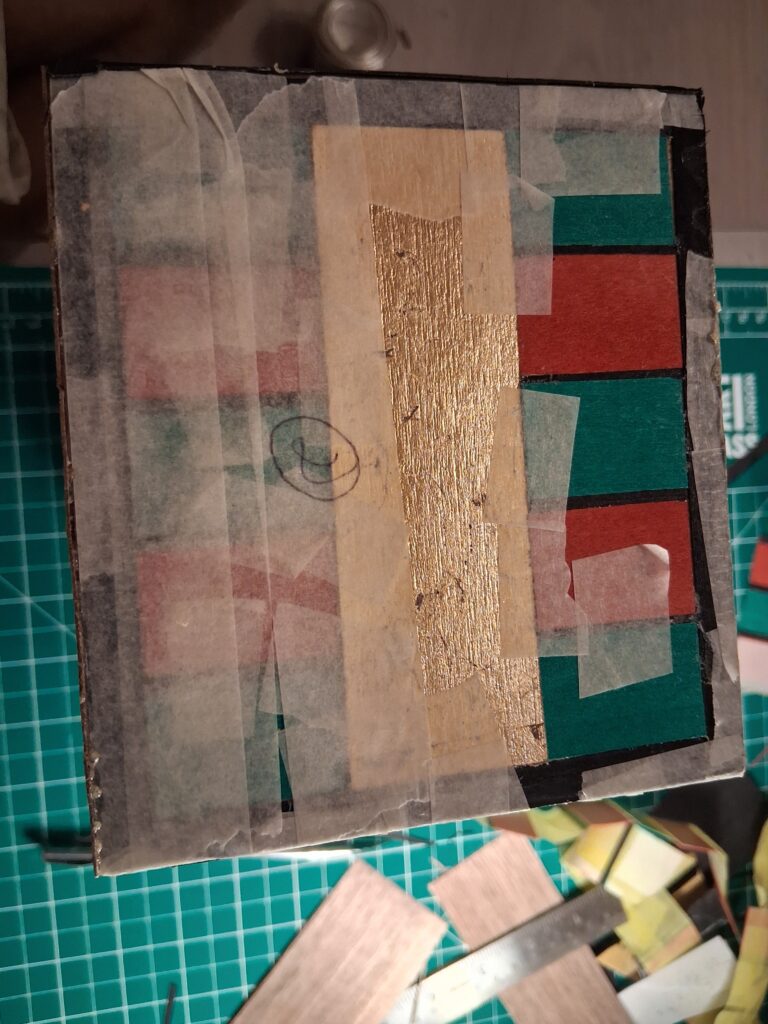
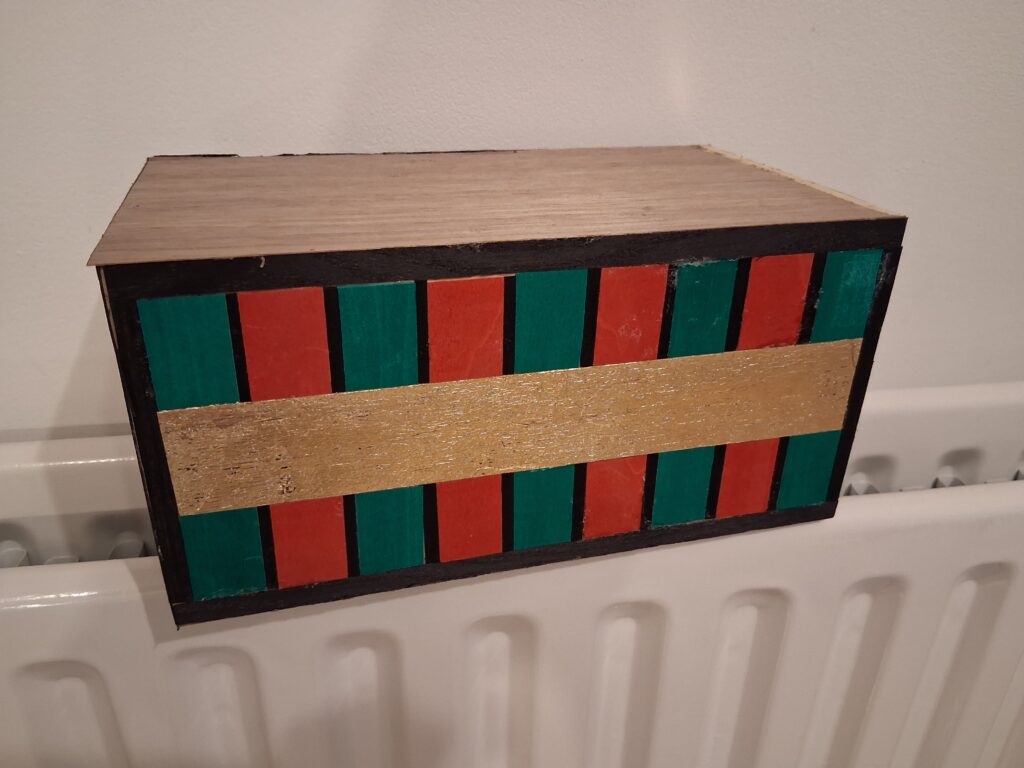
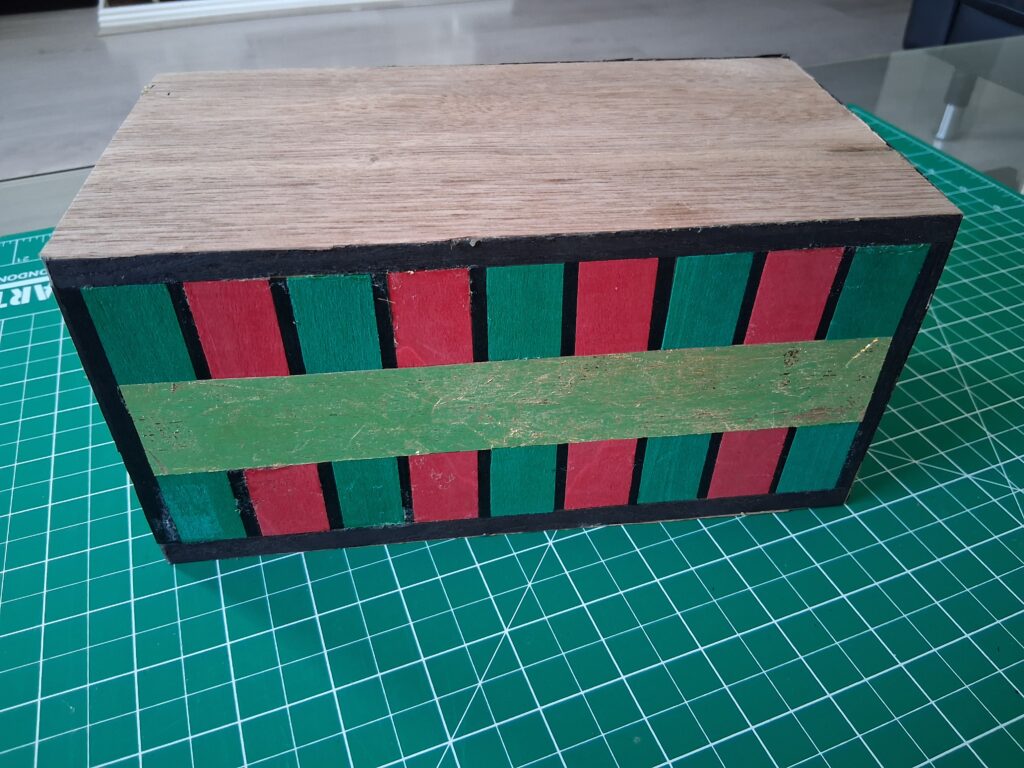
I picked impact cement to stick the veneer panels down. It appeared correct initially, but later I realised what a huge mistake that was. The solvents in the impact cement seemed to destroy the water-based stains in the colored veneers. To make matters worse, post-drying, the rubberized cement leaked through the tiny gaps between the veneer joints, creating a ridiculously messy situation. Trying to pick those rubbery bits away was a nightmare.
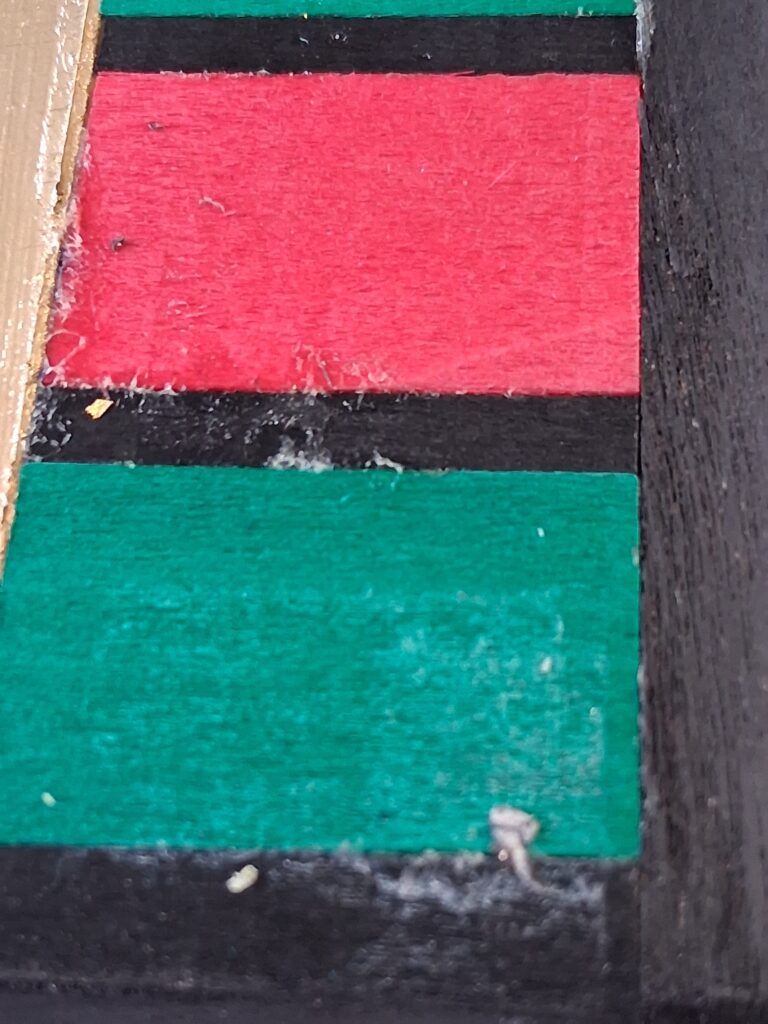
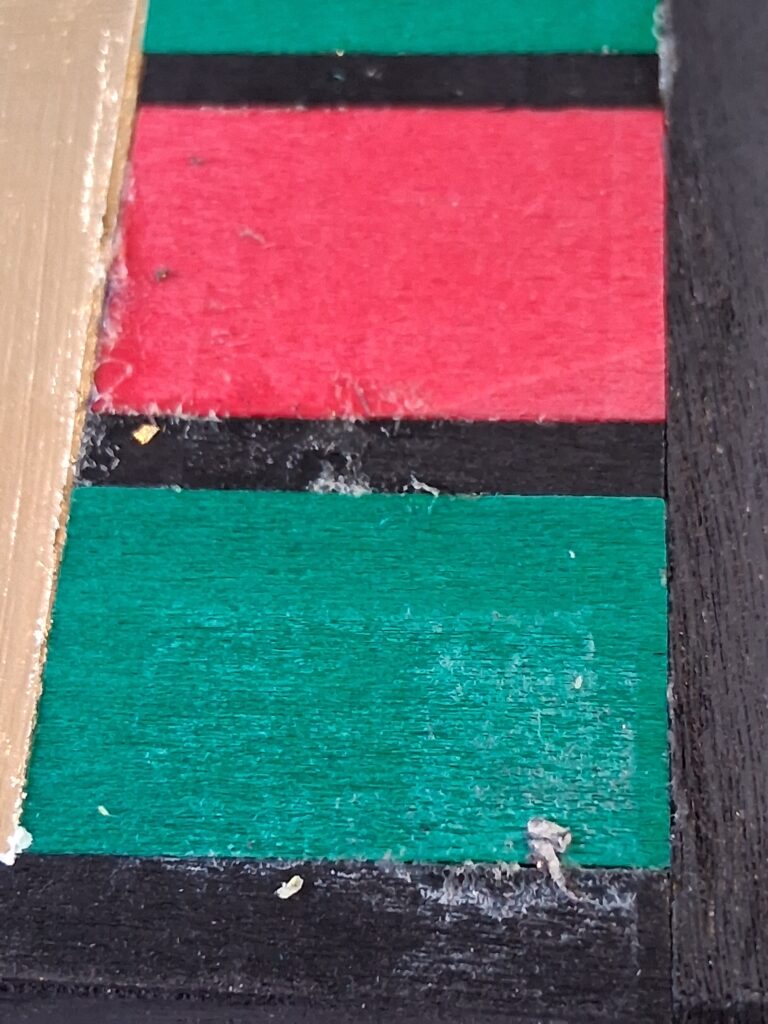
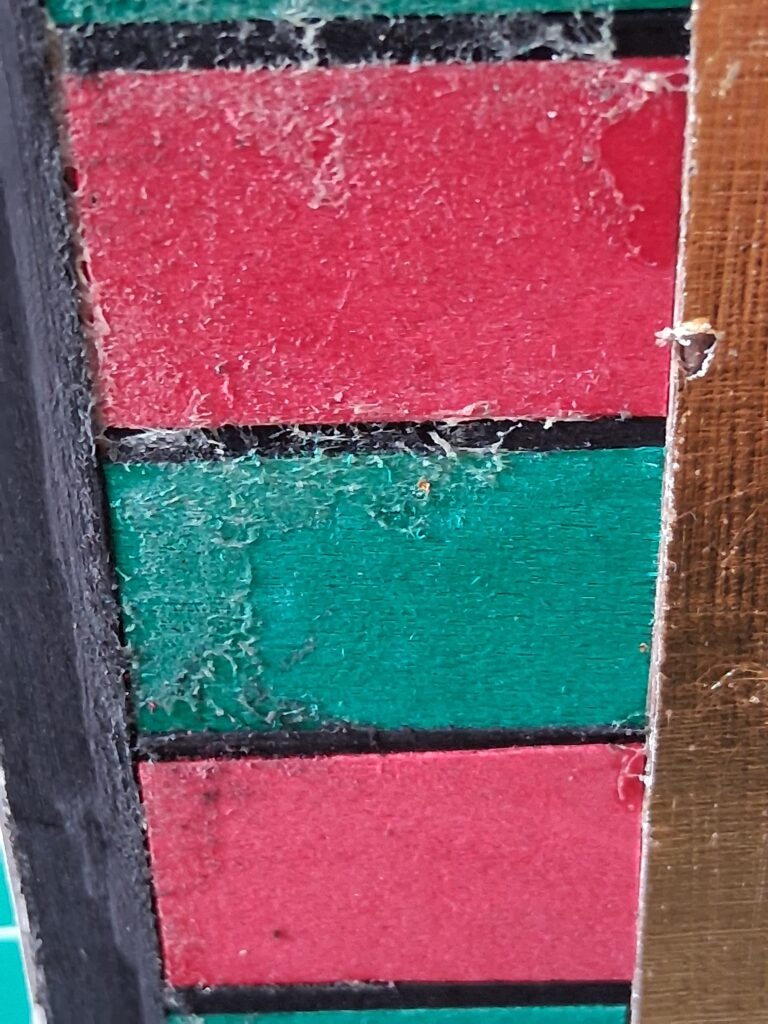
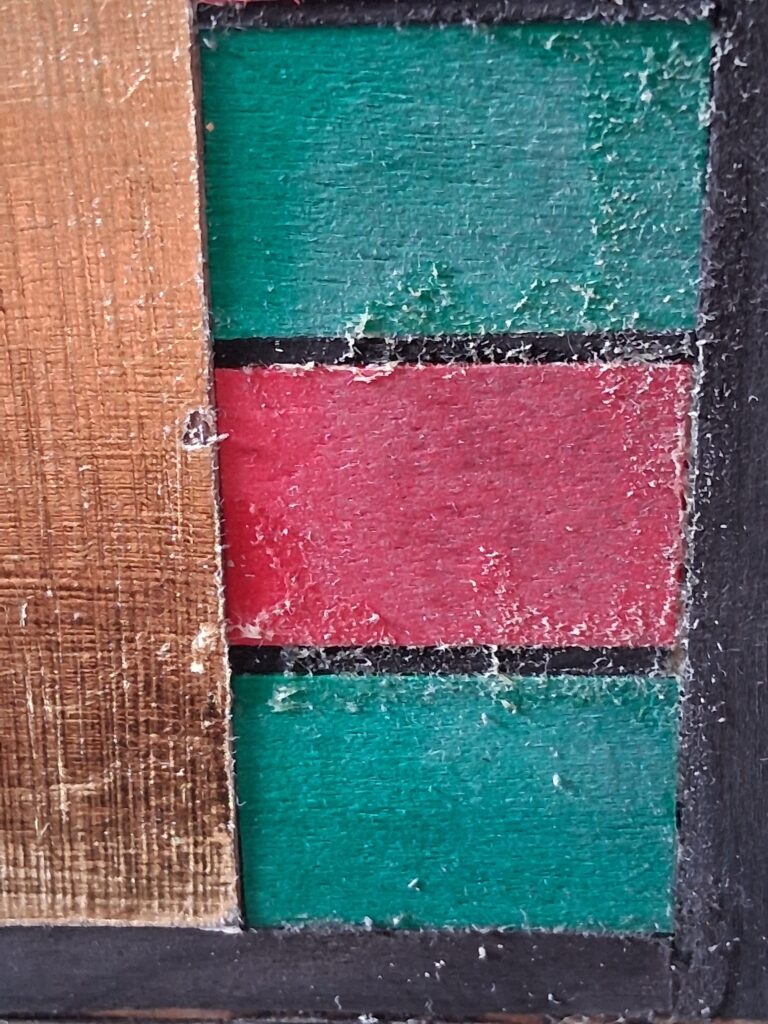
Thinking I could easily fix the surface, I tried sanding it post-drying. That turned out to be even more troublesome: the sanding dust from the dark, dyed veneers started contaminating everything else. That was when I discovered that trying to clear glue stains with sandpaper on colored veneer is a bad idea, and a cabinet scraper is what I actually needed. That did the job – of getting the glue stains out.
On top of the veneering headache, I wanted to apply a gold profile. I applied gesso over the base and laid down two layers of gold leaf. While the gilding went sort of OK on its own, mixing stained veneer with gold turned out to be a terrible aesthetic match—and doing the gilding mid-process was an operational disaster.
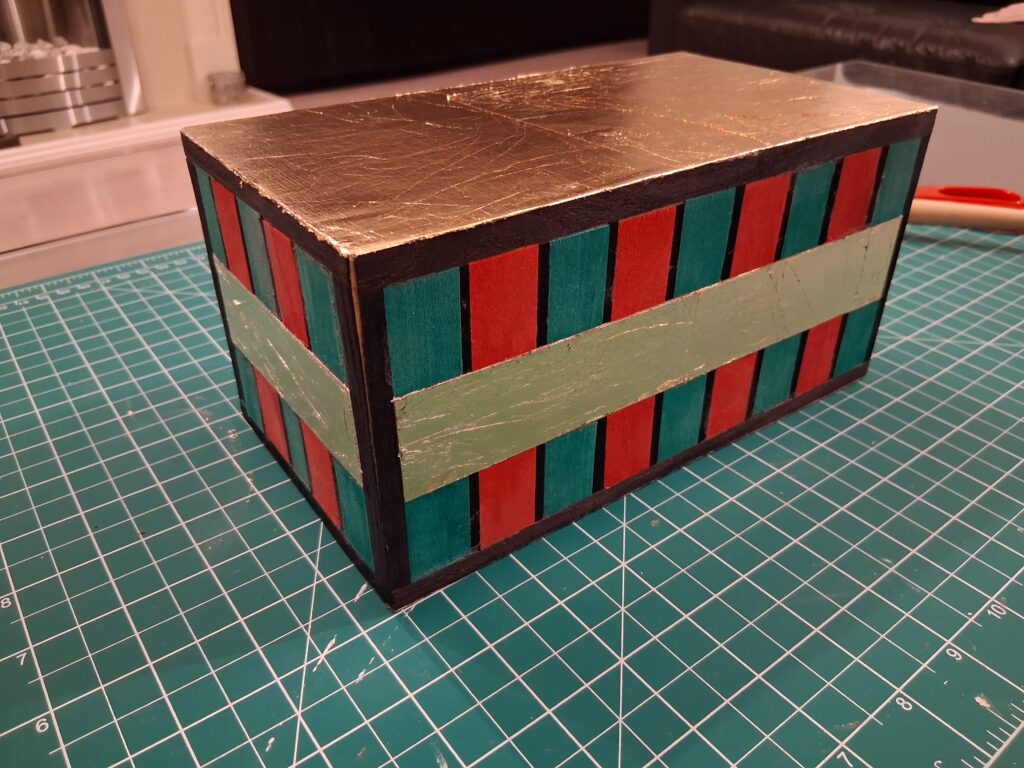
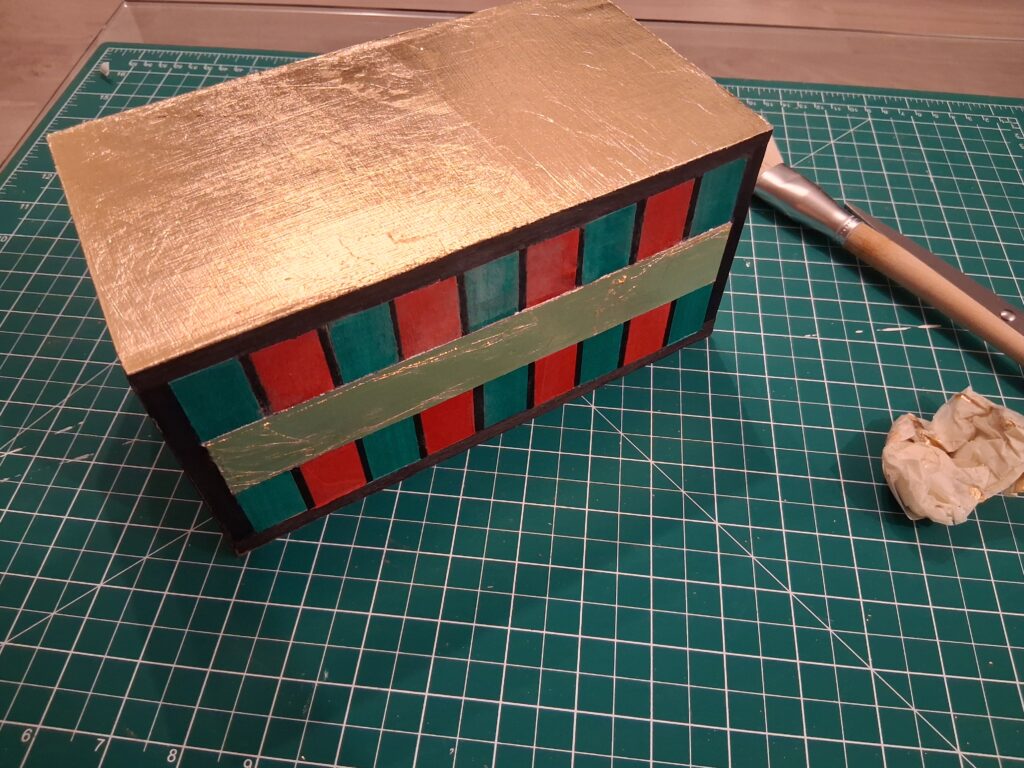
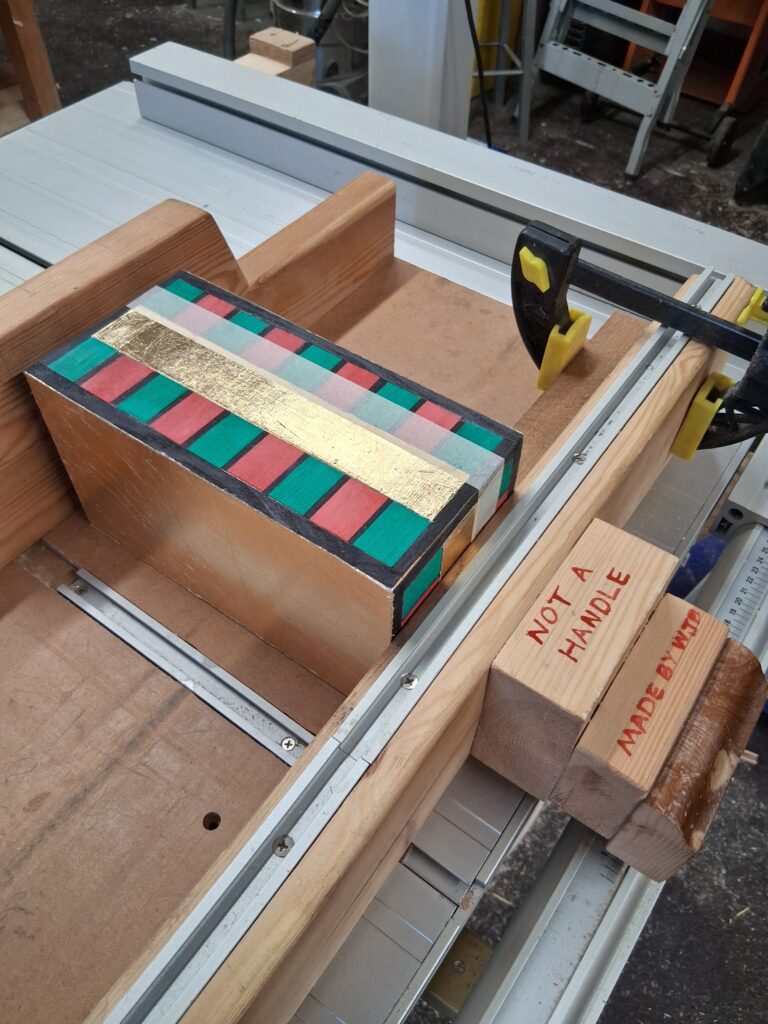
Finally, when I thought I was ready to cut open the box, the table saw gave up on me by a few millimeters and completely messed up the alignment of the base and lid. I tried my best with a hand plane to get the base and lid aligned again, but the thin veneer started breaking down heavily under the blade. Gold leaf also started coming off under the rough handling, and sanding across the stained veneer exposed even more messy flaws beneath the surface.
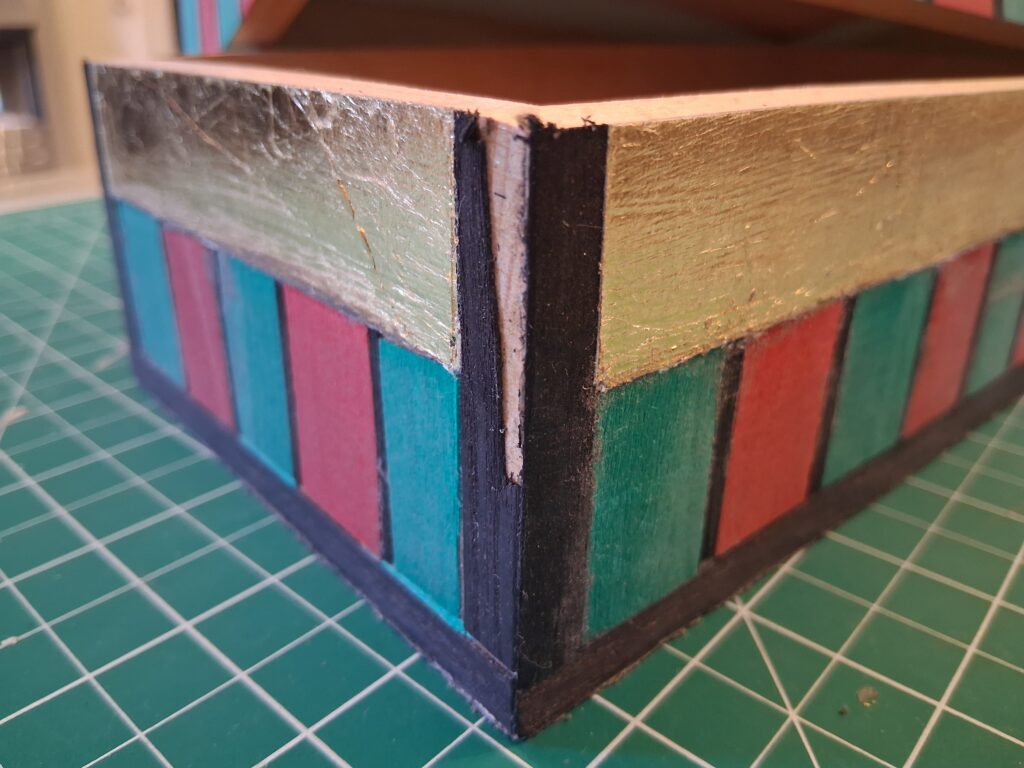
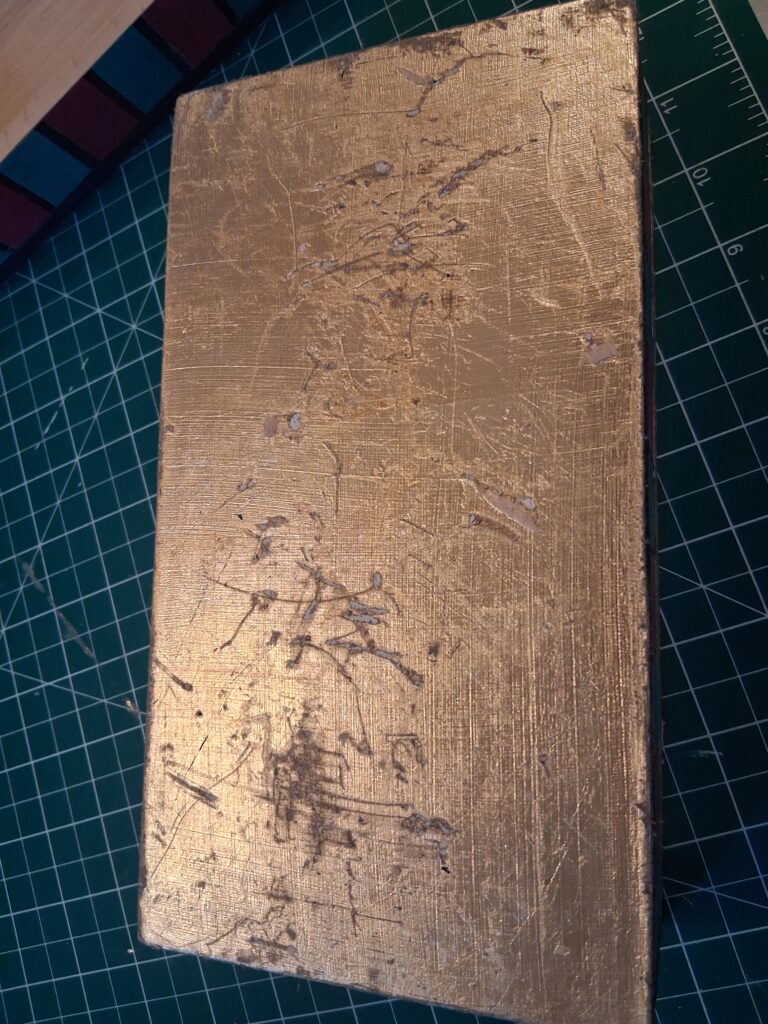
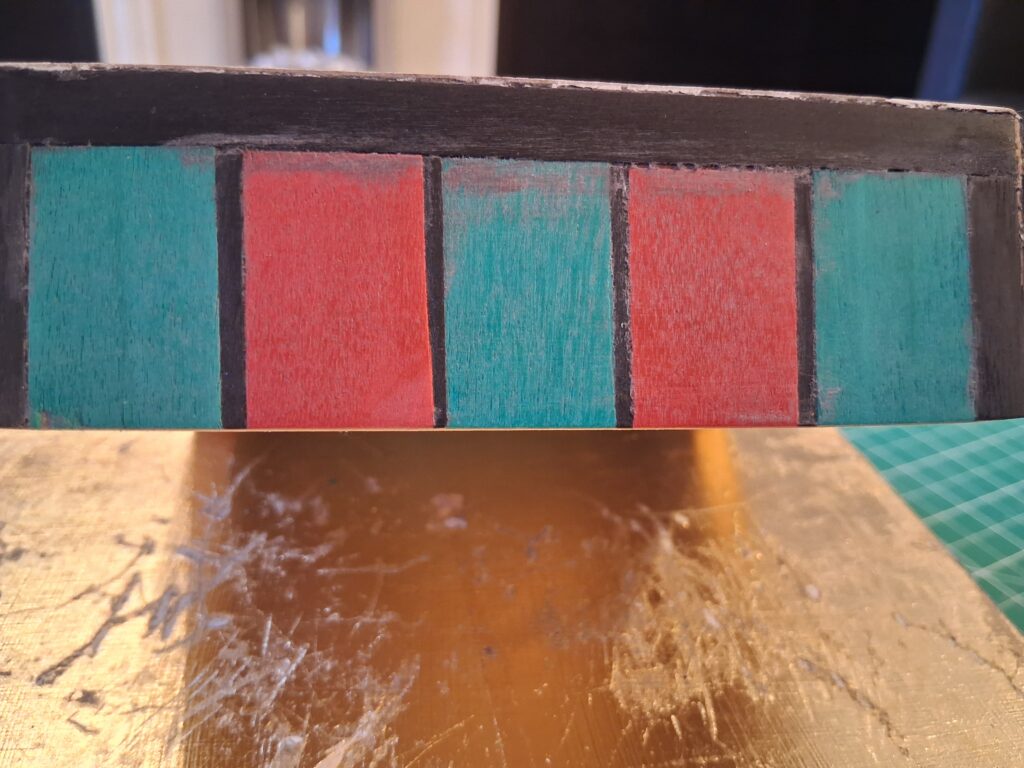
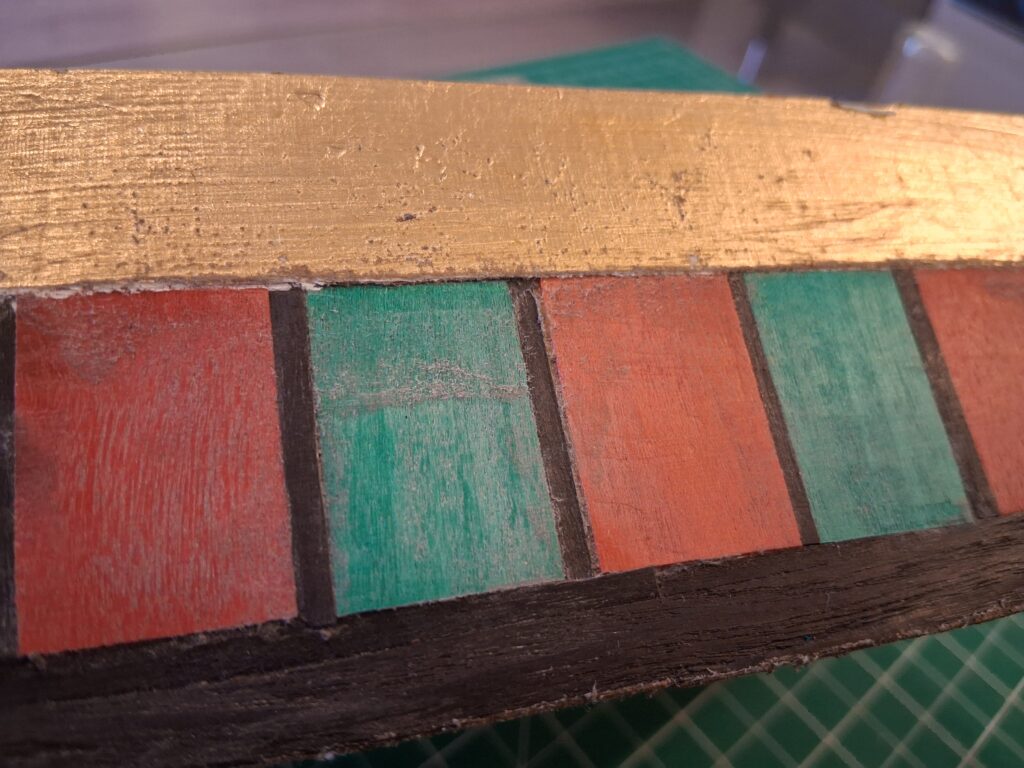
With no energy left, I decided to put the project on hold, step away, and carry on with the next one. The box sits on my desk now—sturdy enough to hold a few small pieces, but serving as a daily reminder that mastering fundamental techniques is critical. I may one day gain some confidence back, strip away the veneer and gesso, and restore it to its clean beech finish as a simple box—but that’s a job for another day.
Lessons Learnt & Observations
- Glue Selection Matters: Using the wrong adhesive creates a cascade of issues. Impact cement contains solvents that destroy water-based dyed veneers, and its rubbery squeeze-out is nearly impossible to clean from tight seams.
- Scrape, Don’t Sand: Sanding dyed veneers produces fine, colored dust that quickly contaminates adjacent wood and lighter veneers. A sharp cabinet scraper is the proper tool for removing glue stains cleanly.
- Gilding Belongs at the Very End: Gold leaf is extremely sensitive to handling. Applying it early in the build exposes it to heavy handling, clamping, and friction, leading to severe scratching. It should always be saved as the absolute final step.
- Aesthetic Balance: Mixing vibrant, stained geometric veneers directly with gold leaf can easily look chaotic rather than luxurious; plan the visual hierarchy before gluing!